• 81F6qVR2E7L

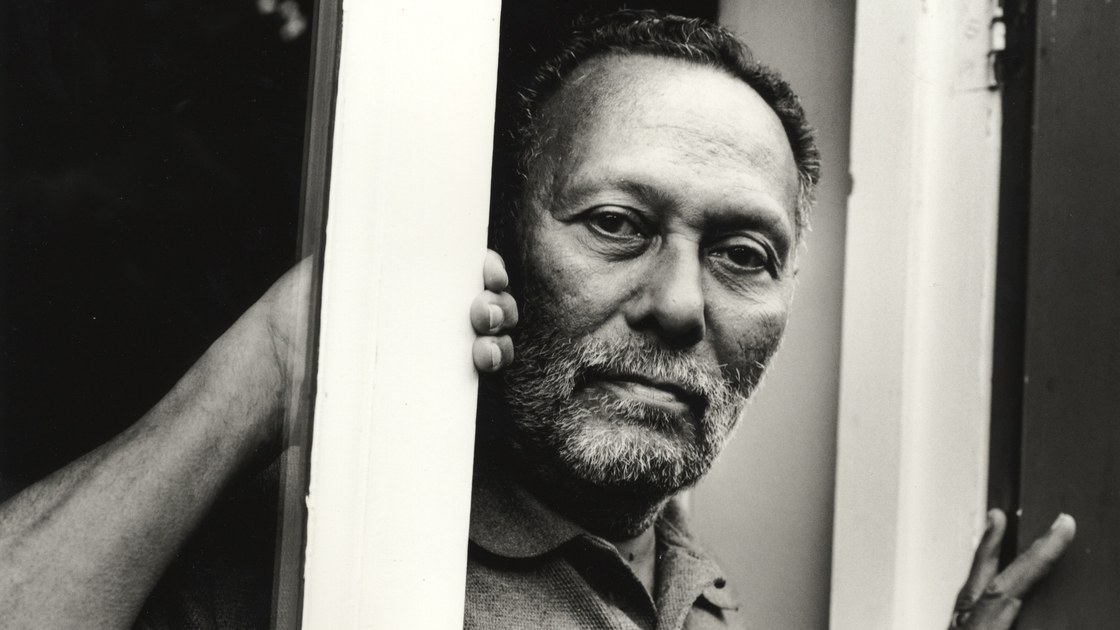
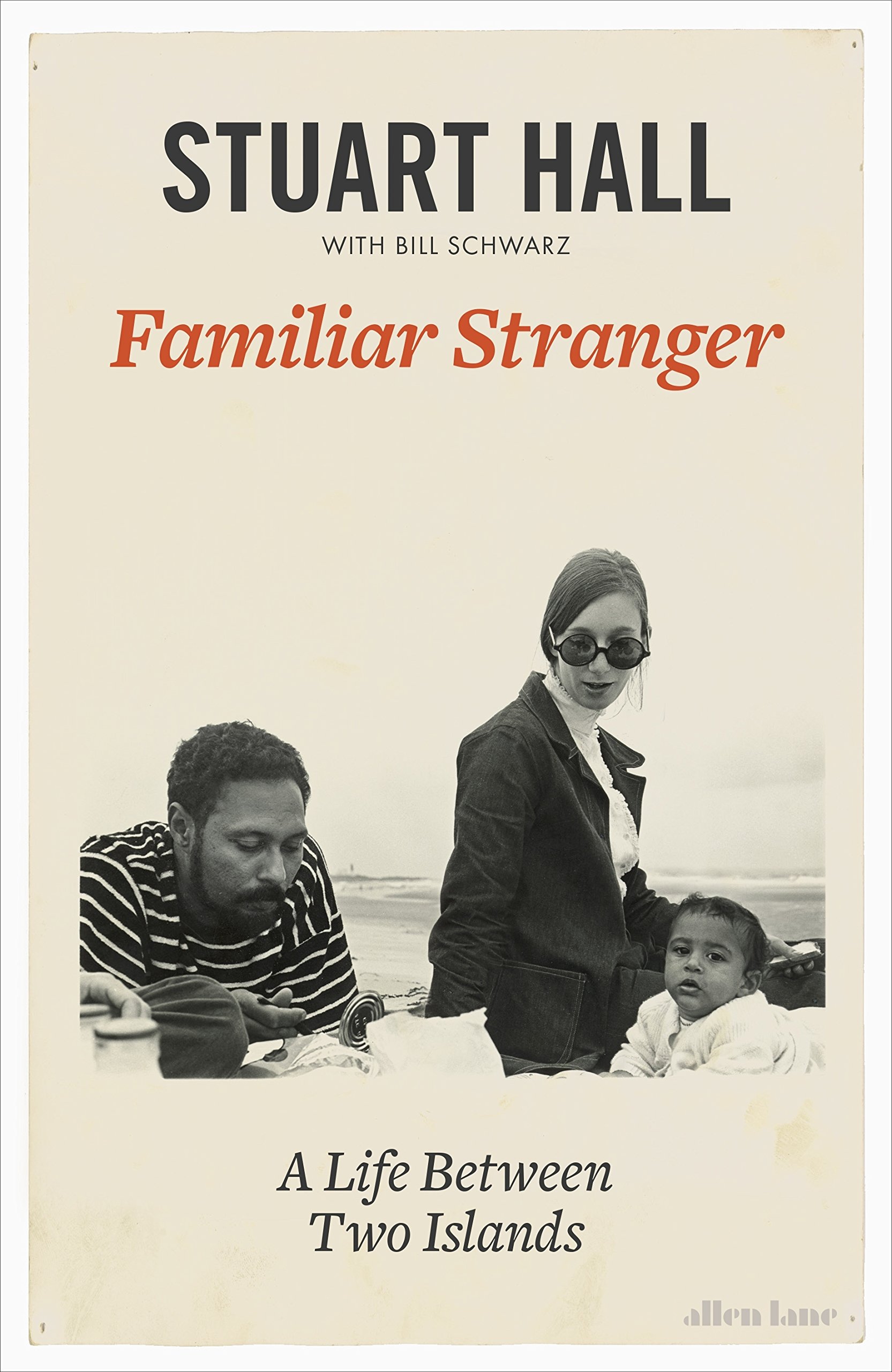
    Stuart Hall’s considerable influence in the UK and abroad stems from his cultural, sociological and political trajectories (Back & Moreno Figueroa, 2014; Roman, 2015; Zhang, 2017), as these areas perfectly articulated throughout his life (Solomos, 2014). Familiar Stranger: A Life Between Two Islands (Penguin, 2017) is an excellent opportunity to glance over them in both personal and academic terms.

    For those who aim to engage with the thought of the famous sociologist, Hall’s memoirs provide available panoramic guidance. For those like me, who seek in him the Jamaican immigrant, it is refreshing to see that the man has, in fact, lived in and out of the establishment.

    In reality, by centring the book’s narrative like that of a “stranger”, an image that Hall kept of himself until later life, editor Bill Schwarz allowed that a stream of conversations could unfold logically. We go through many of the doubts and concerns that spring from Hall’s move from Jamaica and become witnesses to his awakening as an immigrant in Britain.

    Kind but mind-blowing, the emotional portraits of Jamaica appear to depict a place stuck in time. Many of these snapshots show how life in the colony is far from an assimilated narrative. Britain continued, by many senses, “present” in modern Jamaica.

    The range of everyday situations that derive from Hall’s background is essential reading for anyone interested in seeing how colonialism works. Primarily because it is neither monochrome nor solemn: it was the White British man mocked on the streets of Kingston for its colourful clothes and excessively formal gestures; it was the Jamaicans’ detailed reproduction of the old British class order.

    Indeed, Hall refuses to assess colonialism on binary grounds. Instead of “pessimism” (Jhally, 2016), one finds in his accounts a sophisticated dynamic that stirs a set of unrecognised identities. Colonialism is the drainage of other people’s culture and wisdom, as it is a lengthy collection of myths that will probe the invader’s superiority.

    The voice of the immigrant that underpins all this is the same of the academic. This is in-distinctively a feature of Hall’s work (Ang, 2015). But we cannot stop perceiving how the former overshadows the latter. Tales of his life illustrate much of his theoretical points much more efficiently. For instance, his perception of physical difference, which manifests since his early stages of life (he was “the darkest” of his family). That context can clarify why he struggles in seeing himself as the “bursary-holder, Oxford student”, highlighting the “young colonial” who came to struggle with the vast collection of imperial icons.

    This active consciousness of being “the other” while putting his efforts into developing familiarity with the concepts of this adopted nation creates an ambiguous scenario setting throughout the book. The ability to accept and refuse the status quo is recurrent: on one side, Hall contradicts his otherness by engaging with British society at length; on the other, he enlists differences that do not go away.

    Questions emerge on the nature of colonial or post-colonial taxonomy, if only for its epistemic view to be challenged. Hall quotes his wife Catherine (Hall) to ask: is Kettering a city in Northamptonshire or the little coast town in Jamaica of his memory? Allegorically, this sort of comparison also serves him to go back and analyse his family’s past behaviour, so black and yet so colonial.

    Like many foreigners living in the so-called global cities of our time, Hall stashes away “colonial” moments to disclose them in crucial moments.  For him, this continued ambivalence of an immigrant’s consciousness mustn’t reach the level of cynicism but as a by-product of diaspora: “I characterise my particular brand of being ‘out of place’ as the product of a ‘diasporic’ displacement.” Bhabba’s “in-between” or Du Bois’s “double consciousness” are two of the thought-inspiring theories on which he draws during the conversation.

    To break away from the early colonial life, to join the ex-Empire, then find himself moving towards a “re-birth” amid post-colonialism are phases of Hall’s life that –  amazingly – did not lead to resentment, or at least we don’t know it from the book. Despite the fact that he became the political protagonist and member of the academic elite that we know, his experience seems to have been one of discomfort, mainly when his political life had led him to tacit negotiations that entailed the racial, economic divides in Britain.

    Familiar Stranger covers, for instance, the strategic ‘forgetfulness’ of the ex-Empire when new generations of Indian, African, and Afro-Caribbean immigrants arrived in the 1950s. For Hall, nobody could have possibly revived the memory of the British hosts, as they seemed to ask: “Who are these people? Where are they from?” The “disavowal of a collective force” has clashed with the long-dreamed expectation of millions who saw the British land as the promise, as in reality, it was the big “illusion” (a feeling also carried by Hall’s? it does not become not clear).

    That the settlement of the colonial experience fails, Hall to be aware, but where he dwells more often is on the link with the following decades of hardship and racism. Quoting the late 1950s riots as a response, Hall remembers how the “Windrush” generation would find itself continuously reacting to the most blatant racism in the media. Readers might wonder what Hall would have made of 2017’s Grenfell Tower in flames.

    Furthermore, the last two chapters of the book try to harmonise this back-and-forth journey from colonial to postcolonial, finding a possible projection of England as “home”. Hall lays out the case of Henry James, the White American author. James is one of the few literary names to grasp a broader diasporic side of living in Europe. James’ loyalty to his origins appears in his sense of impersonating a kind of immigrant that fearlessness assesses his position at the heart of the colonial heritage.

    Again, we are back to discuss taxonomic choices. Hall’s prefers “British” over “English”, as he sees the latter term being “denied” for someone of his skin colour. By making these exercises of meaning, Halls settles his condition in British society, perhaps as a neutral element. Partner to a white woman; member of UK’s “radical” New Left; a protagonist in academia, these were his safe ports, as he categorically asserts: “I wanted to change British society not to adopt it”.

    Nonetheless, some questions remain: Is complete integration, as we know, as Hall knows it, still a viable or replicable experience? How do we remember a younger generation of colonial or post-colonial taxonomies and repertoires in the age of identity-based positions? What place has the immigrant’s truth amid the ever-reproducing colonial myths? Is Hall’s genuine independence of mind still available for us, 21st -century immigrants in the UK and elsewhere?

    Living the adopted reality without “giving himself away” is Hall’s inspiring tale of his life as an immigrant, from which we learn his unique mode of diasporic thinking (Rizvi, 2015).

    In times of turbulence for immigrants worldwide and migratory journeys to Britain made increasingly more complicated (to be worsened after Brexit), Familiar Stranger enlightens on the impossibility of integration. As Eric Hobsbawm also mentions: A Polish man migrating into the UK will be a Polish man in the UK, not a new arrival to the “community”.

    In the face of a wide range of limits imposed to any idea of one’s insertion in contemporary, cosmopolitan society, within and outside cultural borders, Hall’s reassessments can inspire a broader reflection on the everlasting effects of colonial taxonomies. This is seen to this date: the detachment (or forgetfulness) of the British locals on crucial aspects of their legacy around the world, as well as the detachment of the new immigrants of their adopted nations’ past.

    In both cases, Hall’s voice still tells us that settling down in a foreign land should not drive one’s acceptance of inherited meanings as a given, but an invitation to adequately and moderately challenge them as they manifest in the everyday routine.

    References

    Ang, I. (2016). Stuart Hall and the tension between academic and intellectual work. International journal of cultural studies, 19(1), 29-41.

    Bhabha, H. K. (1996). Culture’s in-between. Questions of cultural identity, 1, 53-60.

    Back, L., & Moreno Figueroa, M. (2014). Following Stuart Hall. City, 18(3), 353-355.

    Hall, S. (1993). Culture, community, nation. Cultural studies, 7(3), 349-363.

    Hall, S.; Schwarz, B. (ed.) (2017) Familiar Stranger: A life between two islands. London: Penguin.

    Roman, L. G. (2015). ‘Keywords’: Stuart Hall, an extraordinary educator, cultural politics and public pedagogies. Discourse: Studies in the Cultural Politics of Education. 36 (2), 161-170

    Rizvi, F. (2015). Stuart Hall on racism and the importance of diasporic thinking. Discourse: Studies in the Cultural Politics of Education, 36(2), 264-274.

    Solomos, J. (2014). Stuart Hall: articulations of race, class and identity. Ethnic and Racial Studies, 37(10), 1667-1675.

    Zhang, L. (2017). How to understand Stuart Hall’s “identity” properly?. Inter-Asia Cultural Studies, 18(2), 188-196.
  • I just read Serotonin by Michel Houellebecq and wrote a few lines #bookreviews

    (more…)
  • Who is going to research it?

    There’s an interesting discussion to be had about Brexit and a crisis of ignorance management in modern Britain.

    What some may call the democratic decision of the British people to leave the European Union, others may reflect on the ignorance that guided the electorate, the media, and the politicians during the whole process of decision. Some omissions, while deliberate, have allowed us into this mess. No form of Brexit seems viable at this point.

    I came across this interesting collection about ignorance studies. It shows ignorance as a recurrent sociological phenomenon, which has based policy and public opinion in many key areas such as the environment, the prevention of HIV/AIDS, and the understanding of science by the general public.

    Many case studies have shown the extent to which the public is denied basic information during referenda and decision-making processes, as some policy-makers have overall preferred to act on top of obscure scenarios. Obviously enough, ignorance-based decision was an easier, manageable, and faster way to get through democratic rituals and offer some results.

    In this way, one might ask how far has ignorance, as a political strategy, can still go in the UK? Images of the old Empire, WTO-based trade deals, citizen mobility while away from the Union. All these images are successful because the tactics toward ignorance did their job well.

    I ask: Is there any limit to agents continuously trying to think, act, and change the British international policy towards isolationism when the opposite is so blatantly more beneficial for the country? What has it achieved so far? How long will the country take to get back to the facts?

    In the meantime, the public continues ignorant: Ignorance about the fate of the country once it leaves the EU; ignorance of the future’s socioeconomic premises; the impact from false assessments on immigration and so on. Furthermore, ignorance about the source of the money that had funded the Brexit campaign, and that might continue to sponsor hidden agendas.

    On the left-wing side, there’s more of it. The ignorance of leftist actors who allowed such decision-making, i.e. the referendum to pass in Parliament, while not posing crucial questions on the cruel threat to fundamental rights (what happens to the “European citizenship” of millions and its inherited set of rights?)

    As Adriana Mica has put it, studying ignorance comes up as the “analysis of the unintended”, which can appreciated in various contexts. In the case of English politics, there are so many unintended consequences so far. From the demise of Theresa May to the rise of Boris Johnson. Do we have the tools to prevent ignorance being rebranded over and over into political decisions still to be taken?

    I would ask more: Would the English, drawn by and educated by the same sociopolitical context that allowed this to happen, be able to do it so? Isn’t Sociology bowing too much to the empirically-driven science when what we need is more of a rhetorical approach to denounce the roots of Brexit much before 2016?

    As a long-term project, I am afraid that when scholars try to “understand” Brexit, they aim for reconciling ignorance with an ordinary framework of sociology and politics, while the situation has been fare more exceptional.

    Under the light of the sociology of ignorance that goal could make more sense as it targets the omissions and could track them back to the effects of years of austerity over people’s minds, their lack of resources to evade ignorance, and constrains faced when trying to inform themselves.

    If Brexit has to be deconstructed, it should start from the ignorance at the policy-level. The idea of leaving the EU has been based on racist and biased ideas, that has hitherto benefitted the rich, and promoted the climate of fear and disgust and fed ignorance as no other motto did. It has triggered uninformed protests from those supposedly affected by immigration, then it led to unachievable controls for immigrants, and, eventually, has forgiven the lack of action from politicians such as Theresa May years before Brexit has started.

    In other words, are commentators that dismiss this scenario of outright racism as the simple “rage against the London-based system” really in such critical position to confront the roots of ignorance that still guide English exceptionalism in the 21st century?

  • In this post, I discuss the extent to which the assemblage of Brazilian landscapes during the Venice Biennale of Architecture may be more problematic than it seems.

    ***

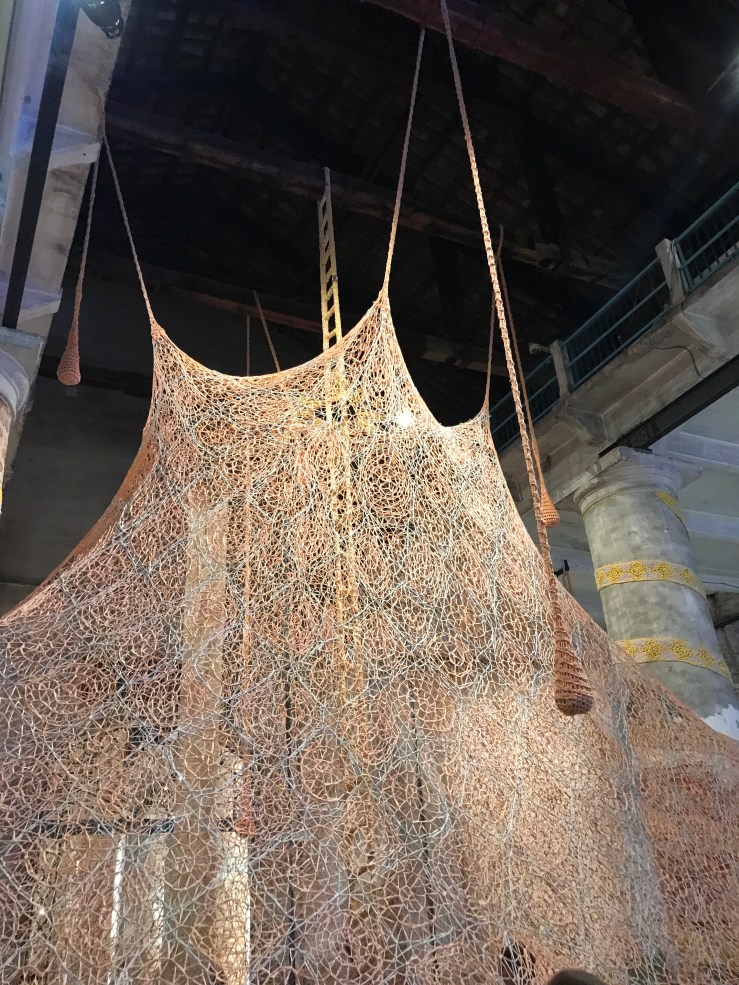
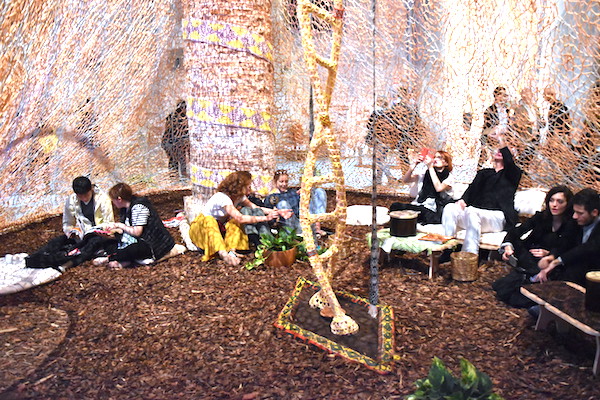
    In 2017, I discussed in this post the representation of “native” landscapes of Brazil at the 57th Venice Biennale of Art.

    While visiting the event for work, I was struck by the attempt to “recreate” the Amazonian indigenous culture and practices through a series of installations and performances.

    At the time, these artworks seemed trivial and far from the committed purpose that allegedly guided the artists. Artists sought to teach visitors how to sing old Amazonian songs, invited local “shamans” to give talks, and simulated the routines of socialisation and gratitude of these communities. Little of it seemed to contradict the well-known stereotype of wild and exotic creatures, which Europeans have created and reproduced over the centuries.

    Ernesto Neto at the 2017 Venice Biennale of Art

    More recently, I came across an interesting paper that engages with this topic. It focuses on the assemblage of Brazilian landscapes during the Venice Biennale of Architecture, taking place in 2016, wherein favelas also appeared as part of installations. Simone Kalkman made a very appropriate point about the multiplication of these aesthetics in European events:

    The incorporation of favelas into European art contexts is inextricably related, first, to imaginaries of Brazilian nationality and, second, to the idea that the global North can learn from favelas. 

    Kalkman refers to the public art group Projeto Morrinho, which has created mini favelas out of bricks and small figurines and presented in the form of big installations. Kalkman’s article explores the ethical and epistemological contradictions that stem from building up a specific element from a country’s landscape, regardless of its original geospatial, socioeconomic contexts. In this case, it resulted in a demonstration of Brazil’s “informality”, as she points out:

    I argue that ethical and epistemological questions are inextricably intertwined when exhibiting Brazilian favelas in Europe, which implies recognizing the complicity of academic research in this process of knowledge production

    When I first saw Projeto Morrinho‘s work (back in 2015 during a reporting trip), I found their large installation very appropriate and well-placed at the hall of the Museum of Art of Rio de Janeiro.

    It was a location that allowed for dialogues with the city’s fabric, which is made of a set of contrasts and contested legitimacies. That struggle seems embedded in the group’s statement that accompanied their Biennale work (see picture above). It reads:

    We invaded the Venice Bienale (sic), we are the bosses. Get it? Italian man? We are prepared for any criticism

    But, instead, they were not in Rio, but in the Venetian harbour. To what extent is it possible to skip that fact?

    I am not so sure. As I had argued regarding the indigenous culture transformed into art to entertain the mass of visitors at the Arsenale pavilion, the case of favelas as “architecture” carries similar issues of appropriation vs commitment. It is true that these communities remain under the gaze of tourists that flock into favelas during all year long, but in this case, the dislocation and re-assembling of communities’ houses, habits, and culture meet a circumstance that makes them no favour.

    In this appropriation of all things local by the multi-billionaire global art circuit, there is an exposure that puts pressure on communities to make them create a repertoire for an outside viewer. Inevitably, these communities are required to stand out and dramatise, and de-naturalise what turns out to be an inherited part of their everyday life.

    What I argue, probably in consonance with Kalkman’s article, lies in aestheticising what could instead be a political expression. It does the opposite, tokenising these natural aspects of their dwellings and expressions to the extent that it boosts the quality of mass exhibitions.

    In other words, populations do not exist in their right but to fit into Europeans’ eagerness to fill their own blanks concerning diversity and inclusion. These are not the needs of these communities, as they remain newsworthy for their exotic potential in the media, which lives to confirm old and easy stereotypes. The “indigenous” is “wise,” and the favela is “spontaneous and gracious”.

    It is enough to remember that a big hit in the European summer was a song about “living” in a favela, “loving” and “dancing capoeira”, sung in Italian and made for Italians. Its video boasts more than 130 million views on Youtube.

    Ernesto Neto, “A Sacred Place” (2017)- The Venice Biennale of Art

    In art, these same aesthetics has become a subject-matter for the debate by those who are neither living in these communities nor in any position to engage with their daily issues. In the end, the art elite can afford time and resources to invest in their particular form of gaze; they fly indigenous or favela representatives to speak out and attend events, but this elite can hardly ensure anything other than a fine event.

    It is not a matter of politicising art or staying on the side of the identity politics. I still believe that artists should be free to impersonate anyone and draw on any culture they wish to. The problem arises from the “knowledge production” that Kalkman discusses in her article. Academic research, the art circuit, and the media can count with very disputable intentions to discuss underprivileged cultures that will finish as a new raw material for pop culture and commodification.

    Without suggesting anything like political correctness or censorship, I still believe that the time has arrived for a more critical consciousness regarding the politics of silence and noise of mega art events. Some subjects are much emphasised, as far as others are quickly forgotten. The process of making it remains obscure and curatorial decisions float in without proper depth.

  • In August 2018, I published an article on First Monday about the advent of online self-representations in the context of impoverished communities.

    I believe this is one of the most under-researched aspects of social media. The extent to which poverty and inequality could mirror different kinds of self-representation, either by selfies or short text posts on the Internet.

    I took on the example of Brazil’s favelas. First, because of the past of these communities in the media. They are, for a long time, de-humanised, de-personalised, and stereotyped; either in telenovelas, films, or in popular discourse. Based on this background, I could check whether the Internet could allow fresh images to flourish and influence mainstream society.

    I first approached the possibilities of new online ‘subjectivities’ from favelas a few years ago for the Discovery Society. Now, I deepen in how these subjectivities can fructify. I discuss the opportunities surrounding the online favelado in a more practical sense. What can they make it of themselves by being online? Below I clarify some of the conceptual tools I used in this research.

    What is personality?

    I simplified the understanding of such deep psychologic notion by limiting my interest in a generic form of media expressions on the Internet as models for personality.

    Despite so many definitions, my aim was to accept the common sense of organised forms of “accounts”, “patterns of feelings.” In my perception, textual references or imagery could embed many of the attributes of personality:

    Personality is a system of parts that is organized, develops, and is expressed in a person’s actions.

    Personality is about many things: perception and attention, cognition and memory, neurons and brain circuitry…We try to understand the individual human being as a complex whole…[and] to construct a scientifically credible account of human individuality (McAdams, 2006, p. 2).

    Personality is the organized, developing system within the individual that represents the collective action of that individual’s major psychological subsystems (Mayer, 2007, p. 14).

    Personality refers to those characteristics of the person that account for consistent patterns of feelings, thinking, and behaving (Pervin, Cervone & John, 2005, p. 6)

    Social media and ‘personality’

    I placed the existence of online personality in contrast with the persistence of past stigmas related to these communities. So I oppose an external inheritance (representation) to a notion of ‘personality’ that stems from within, from the sharing of everyday experiences on Facebook or Twitter. To what extent could this internal process of self-representing is enough to unmake a background of inherited stereotypes?

    I qualified personality also based on social media interactions. It is true that what we call ‘IT  skills’ involve a range of socially-approved behaviours and goals that point to a relatively limited form of consensus. But it is possible to look, for instance, at the occurrence of likes as exercises of personality without believing that those who don’t like it on social media wouldn’t have done it if they could.

    Another conceptual difficulty of studying poverty within social technology is to go against these platforms’ design. Its commercialism is embedded in tastes and possibilities of its participants. However, even if the use of filters and geotagging are ways to “show off,” which is not in the best interests of the poorest, it could still reveal if poverty is likeable or accepted.

    In the end, I targeted the display of personality directly from the content of users’ publications. On the one hand, this approach has not allowed me to extrapolate to the whole issue of social media usage by favela-based users. On the other, it was not possible to assume that every social user was living de facto in a favela. I had to limit my use of references to the geographical favela. Let’s see some results.

    Representing and self-representing

    This repeated display of personality could be captured through practices of representing or self-representing. 

    Representing from a media perspective exists in the well-watched telenovelas, for example, which has mirrored the life of millions as soft, sympathetic and suburban-like in Avenida Brasil. Internationally, favelas could be stages for drug dealing and violent police Films such as in films such as City of God or Elite Troop. Those are representations.

    Then, self-representing appeared as the opposite of these generalist portraits. If not entirely contradicting this past of injustice and violence seen in the favelas, self-representing constantly pointed to the unmaking of the hegemonic face of poverty.  In this sense, I tried to build not only how poverty defines online personality but how it leads to other roles and responsibilities assumed by such producers.

    Self-representing, whether by expressions, images, and roles described in this content, led me into three main roles that emerge as the contemporary possibilities of the favelado once he or she assumes the control of its authorship. In my First Monday article, I described these roles in its entirety. Below I give you a brief description:

    Favela media producers as leaders

    Personality in favelas is historically tied to past models of community leadership. While calling themselves journalists, bloggers, and content producers, media producers from favelas distance themselves from the image of these leaders. In other words, there was no evidence that the former individuals have had any influence over interviewed producers through any platform.

    In reality, much of what producers have mentioned is about being themselves with their personal habits and tastes. This ‘individuality’ comes up as opposed to speaking on the citizens’ behalf. Fewer producers have said to feel proud of the individuals that used to speak on behalf of the favela, but in a memorialising way.

    Favela media producers as journalists

    I did not sight that what I conceptualised as ‘self-representation’ is still an advanced affordance that might not be available for all the citizens, as it was for the interviewees. However, those which have voiced it out had positioned themselves as if belonging to a fusion of journalist and amateur content producer.

    In fact, media studies literature has said much about the re-invention of alternative media producers as journalists, as well as how fluid are the barriers of the profession. But as a self-representation, being a journalist has meant a range of things, from informing (in partnership with the mainstream media or not) to finding what to do, organising events, claiming importance. Poverty as a topic of their practice has been directly associated with each producers’ publication.

    Favela media producers as culture promoters

    Some content has indeed displayed personality in a more conventional way. By doing what they call ‘showing off’, favela media producers could not escape from posting pictures of their stay in whatever hotel rooms they were in (some of whom do it for the first time), or underlining their consumerism habits.

    By doing so, they try to bridge their personality with the average middle-class person’s personality. The difference is that they also open space for burst pipes leaking water or for shootings in their communities. There is much sharing of the Sunday barbecue or the pagode in the middle of the streets as it has bodies lying on the pavement.

    Conclusion: New forms of personalising the periphery

    The approximation of poverty from social media platforms happens to the extent that these platforms allow these interspersions between the soft and challenging aspects of life, whether the favela personality is based on rap, hip-hop, funk, and on transgender singers or personality as a range of constraints faced on first hand (although it is evident that this is persistently their ‘real’ life.)

    Thanks to social media, I argue, personality exists in individuals’ well-known hardship, but as different forms of authorship spread through the Internet, the narrative of pleasure and power mingles one of oppression and fear, being the latter increasingly losing ground to the former.

    This phenomenon I called the “personalisation of the periphery” which praises individualism and merit but also allows leadership, journalism, and culture amid an increasingly mediatised battle against urban chaos and violence.

    In sum, the online favela tends to reduce the cult of the charismatic community leader. This image might still echo in the mass media. Still, it says more about the mainstream media’s inability to truly engage with dwellers’ emerging personalities than it denies the existence of more nuances of the process (the new soap operas do not necessarily address these individuals, as seen in other studies.)

    In this way, even under several limitations of social media as a representational tool of poverty, this contrast between soft and complex aspects of the discourse has the fluid personality from these communities as the primary phenomenon, which deserves further exploration.

    In times of political crisis, could this favela personality change towards a more politicised self? Could it forge a political voice amid the current right-wing turmoil? Could it stop the capture by consumerist forces? All these questions demand scholars’ engagement in methods and scope.

  • There is no doubt that Brazil’s history remains under-researched and under-theorised. Especially with regards to the country’s extensive colonial legacy, different periods can be open to negotiation and interpretation, but most of which are still stuck in a range of stereotypes that say little about the complexities of its characters.

    The biography of the 18th-century slave, Chica da Silva (1732-1796) is one of these attempts to re-interpreting history in all its caveats. Silva lived in the village of Tejuco, in the modern city of Diamantina, a city in the north of the Minas Gerais state. She has become notorious and iconic to contemporary audiences due to programmes and films featuring her life.

    Owned as a slave in a big household, she managed to be sold to the Portuguese diamond merchant João Fernandes de Oliveira, a representative of the Portuguese Crown. Despite the blur that surrounds her life after marriage, the few accounts amount to an extravagant lifestyle. Owner of dozens of slaves herself, she lived in a lavish house, entertained herself with exotic goods and lots of guests.

    Besides the colourful details of her biography, this is at the same time a tale of class mobility that has attracted so much attention. How much of it was true? What does this tell us about colonialism, race, and mobility in Brazil? It was indeed an extraordinary life,  even for modern Brazil, with such a meteoric rise even to modern day standards. Her fairy tale is also about challenging the order, but also focuses on her personality as a distinctive trait that would allow her to move forward.

    In sum, her grace and power would carry an antidote against a racist and obscure society. Examples abound in her lifetime: if the Church does not allow your presence inside, let’s build a new one; if she could not travel to the sea, she made them build a lake. IHer myth is as sociological as it is celebrity-driven. To the left, she was an icon of resistance that would inspire the black movements; to the right, she showed how racial relations in Brazil were not too harsh.

    A documented reassessment was made possible thanks to “Chica da Silva: A Brazilian Slave of the Eighteen Century” (Cambridge University Press), a book by Junia Pereira Furtado. The book’s main merit stems from Furtado valuable effort to shed light on Silva’s physical existence in the 18th century, still doubted by some, as well as to confirms further details of her life. Furtado is successful in placing Silva’s in a wider context, moving her into a less spectacular place.

    Silva’s life, according to the book, was not an average one. This is for sure. After all, any black individual breaking the 18th-century social contract, based on slavery and inescapable use of African individuals as economic commodities, could not have lived a normal life; leave alone a rise-up to own and ostentate a luxury lifestyle.

    On the other hand, in her will to balance, Furtado also recognises the impossibility to tell more about Silva, except that once married to a white Portuguese man, she behaved as many other women in her condition. The evidence failed to show anything more than an uninteresting life after her establishment in society.  No surprises or breaks from the order what one would see in a woman of her wealth, whether of black or white skin.

    What strikes me after reading Furtado’s enlightening account is the transformation of this character over time. Silva’s story is one of a slave’s luck, from the senzala into the heart of the Catholic, colonial Portuguese society. Instead, the conventional saying tells us that all glories from her marriage to a white, rich man stem from her sexuality and outstanding beauty. This attractive picture is the way in which she has appeared over centuries (since the 19th century at least).

    The documents also tell us about the conservative turn of Chica da Silva, different from the confrontational stances that soap opera authors have told. Once her husband returns to Portugal, her option, for instance, was to hide in religious “sisterhoods”, sustained by members of the elite. The book also informs us about the fate of her sons, some of whom once moving to Portugal, had deliberately erased her presence from their backgrounds.

    In sum, Chica da Silva’s trajectory is not only one of a rise-and-shine at expense of struggle against the gold-fed establishment of Minas Gerais, an important piece of Brazil of the time. Her trajectory is one of confirmation of the mechanisms of inequality and the ephemeron fractures that allow a few to emerge from time to time. As Furtado encapsulates it, it is about the average black lady “Chica”, an archetype so common in countryside Brazil, and one of a sexual volcano, white man temptation “Xica”, graphed in a marketable x.

    Confronting the homogenised Xica (like in Caca Diegues’ eponymous movie or in the famous soap opera of the extinct Manchete TV), Junia Furtado’s book dismantles this portrait, but not necessarily puts up another one. We simply don’t know more about it. After many trips paid to archives in Brazil and Portugal, what she achieves is to fit an otherwise disruptive character into Brazil’s course of history. Maybe because these documents are so revelatory of Silva’s ordinariness, to the extent of the deceptive, that this book is not more popular than it deserved.

    Back to the starting argument, there are signs that the recklessness with history is changing. The new Joaquim movie released in 2017, directed by Marcelo Gomes, gives a new direction to the image of the martyrised hero. Who knows this film could be the beginning of a critical re-appraisal of the country’s heroes, at least as the media see it.

    As Furtado’s study digs deep into Chica da Silva’s contradictions, it is possible to assert that Brazilians have cared very little about history. If they did not do so, they could search for new meanings and, in the meantime, find opportunities to reflect on past misconceptions that could offer new teachings for the present’s faults.

  • In “Eroticism”, Georges Bataille discusses the need for methods and even science when approaching sex and sexuality. He argues that studying such subjective phenomenon, one could quit objective resources: data, methods, and traceability. One could, instead, use as scientific research oneself’s “inner” experience. As human beings, we have all experienced some erotic situation. In this case, it is a matter of how to transmit that knowledge. 

    For Bataille, to communicate what one understands as eroticism, a realm close to that of religion, is to admit that “neither philosophy nor science can answer the questions that religious aspirations have set us.” On the other hand, while every scholar is acquainted with erotic experiences as any other human being is, we can neither stop behaving as subjects, not refrain from talking experience:

    “My inquiry, then, based essentially on inner experience, springs from a different source from the work if religious, historians, ethnographers, and theologists. No doubt men working in these fields did have to ask whether they could assess the data under their consideration independently of the inner experience which on the one hand they share with their contemporaries and on the other resulted to some degree from their personal experiences modified by contact with the world constituting their fields of study (…)”

    Bataille then hints at an alternative, to map “coincidences”:

    “This difficulty is a general one, though it is relatively simple for me to imagine in what way my own inner experience coincides with that of other people and in what way it enables me to communicate with them.”

    By the end of the book, he ponders on how research difficulties emerge even for those who try to study sexuality from a neutral point of view:

    “If we affirm that guilty sexuality can be regarded as innocently material, our awareness, far from seeing sexual life as it is, neglects entirely those disturbing aspects which do not fit in with a clear picture. A clear picture is actually the first requirement but because of this, the truth escapes notice. Such aspects, felt to be accursed, remain in the twilight where are a prev to horror and anguish. By exonerating our sexual life from every trace of guilty science has no chance of seeing for what it is. Our ideas are clarified but at the cost of being blinkered. Science with its emphasis on precision cannot grasp the complexity of the system in which a few factors are pushed to extremes when it rejects the blurred and distinct realities of sexual life.”

    Excerpt from:
    Bataille, G. (2001). Eroticism, trans. Mary Dalwood. Harmondsworth: Penguin Books.

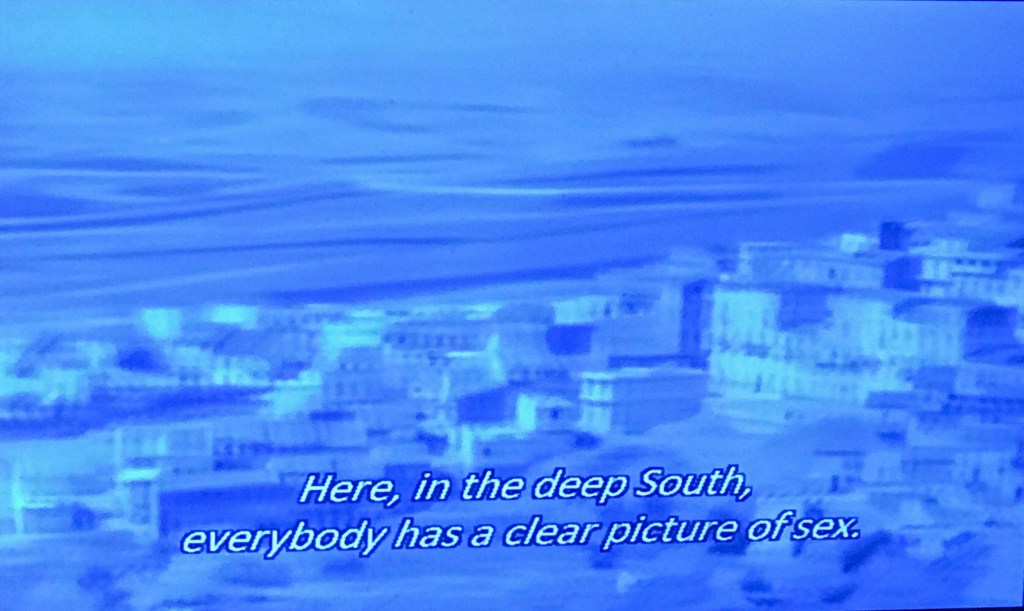
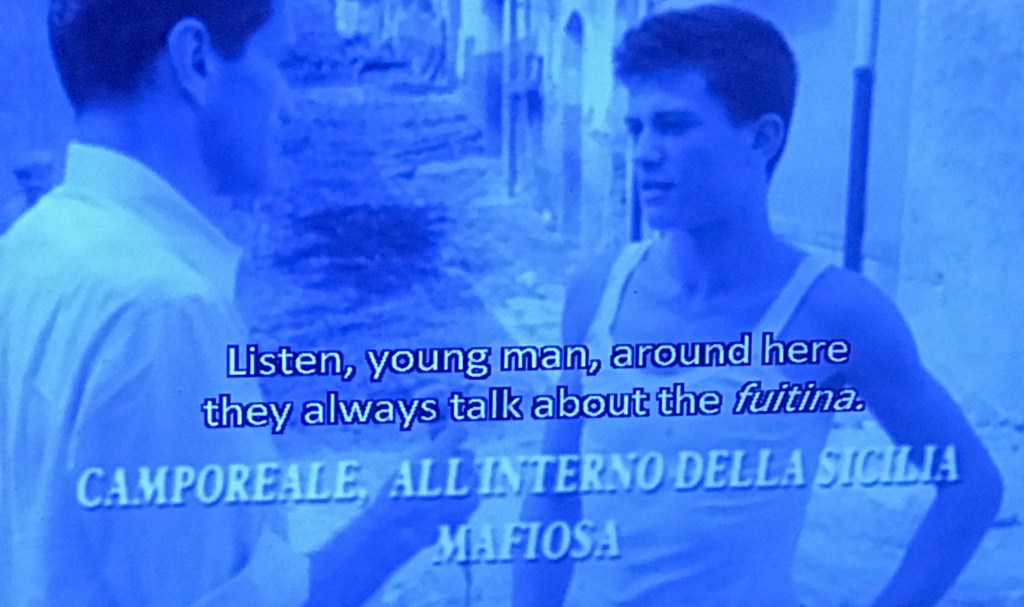
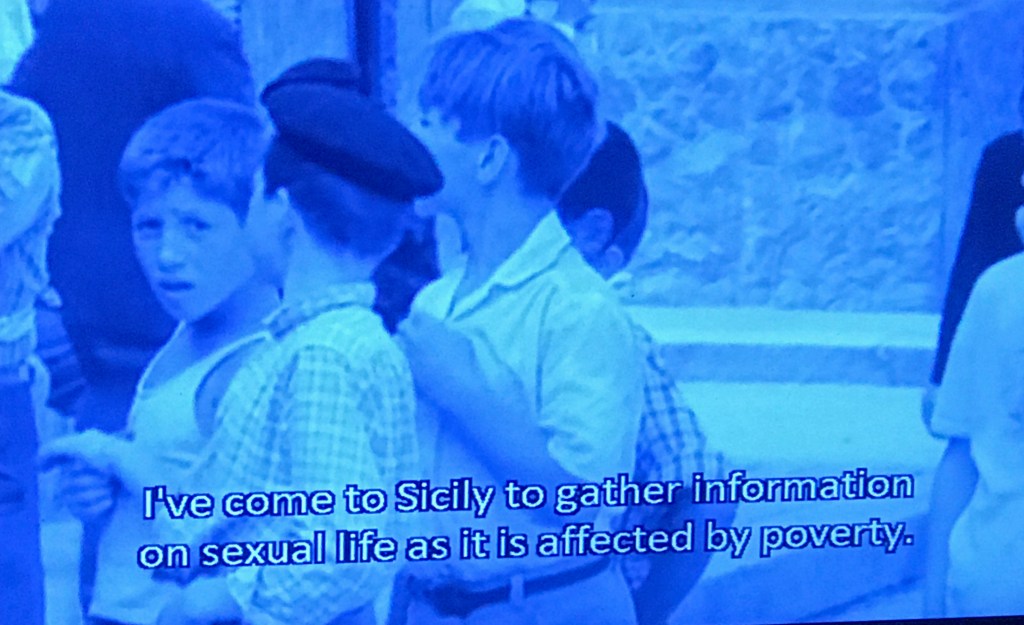
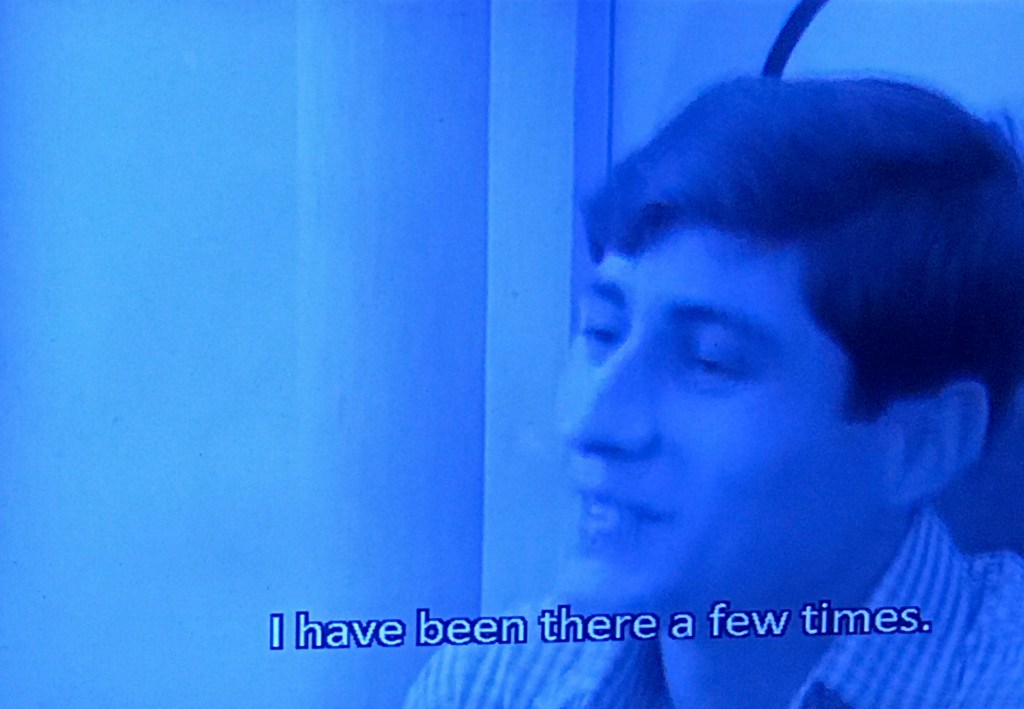
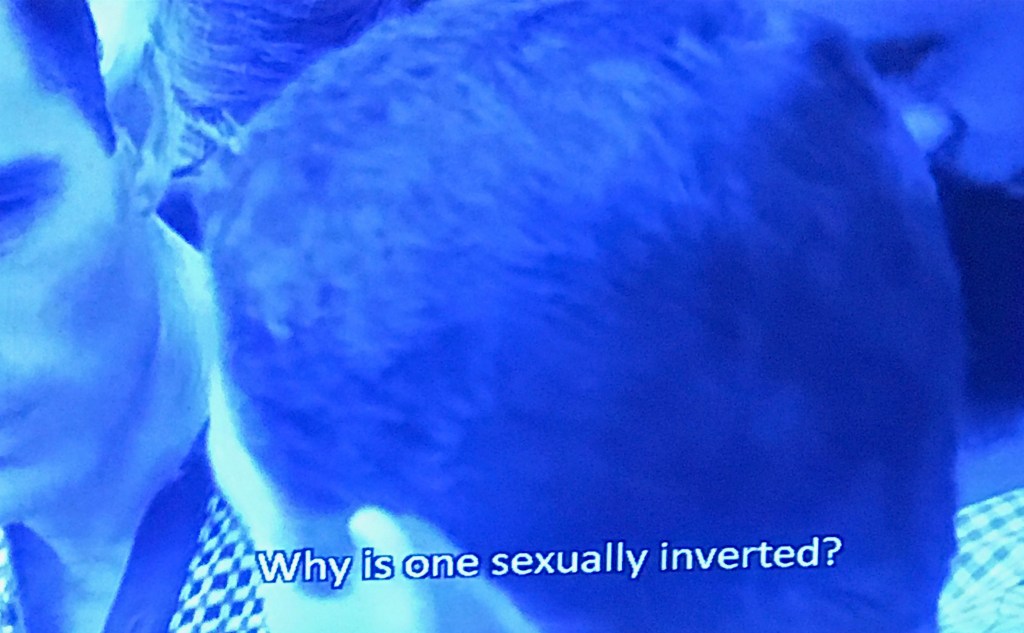
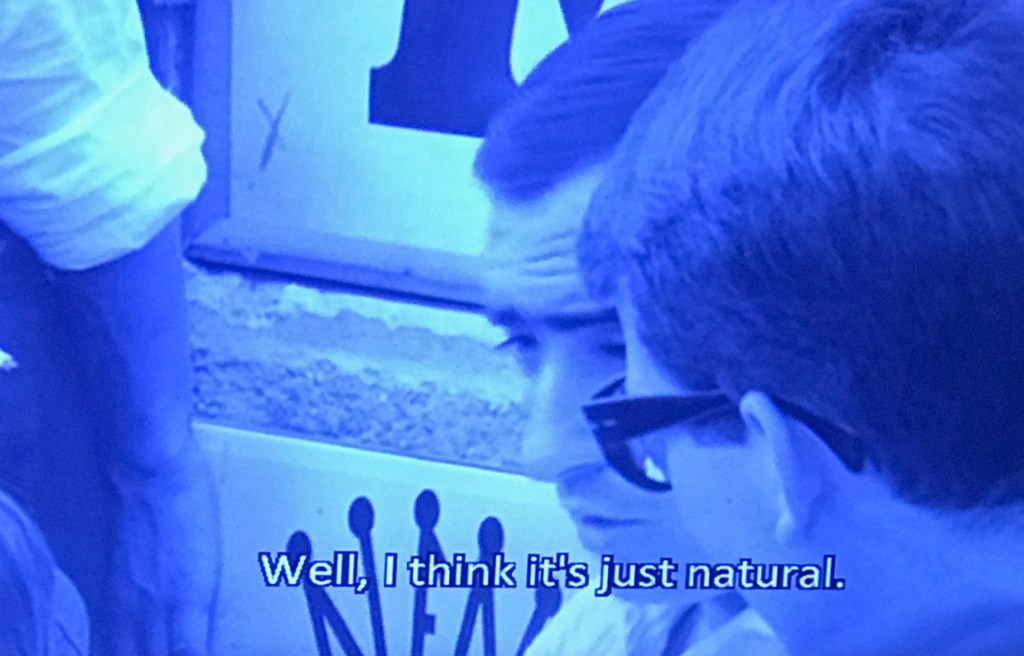
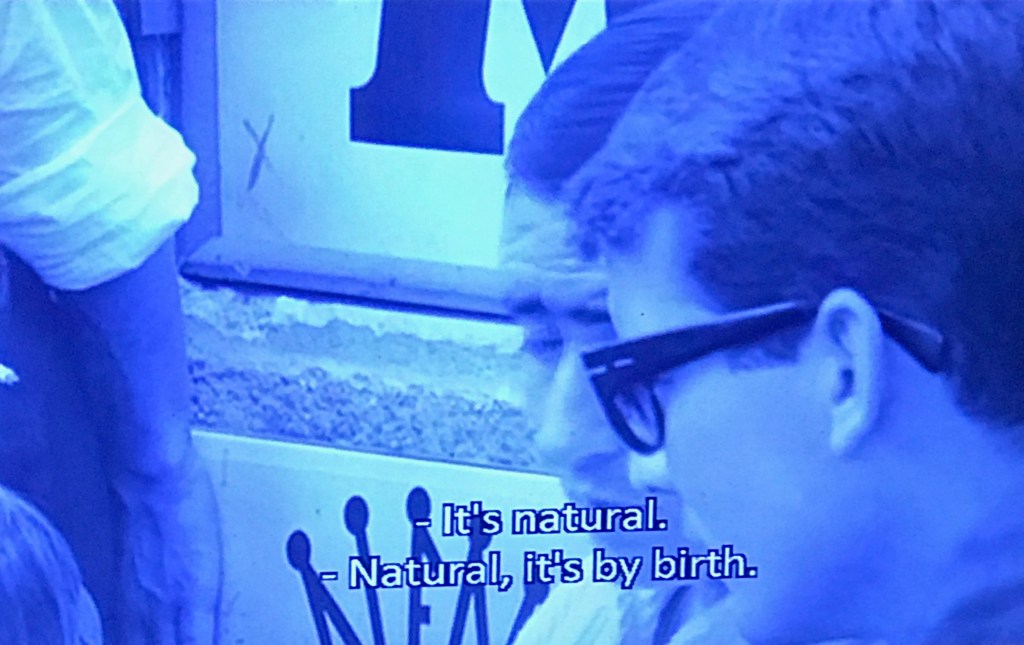
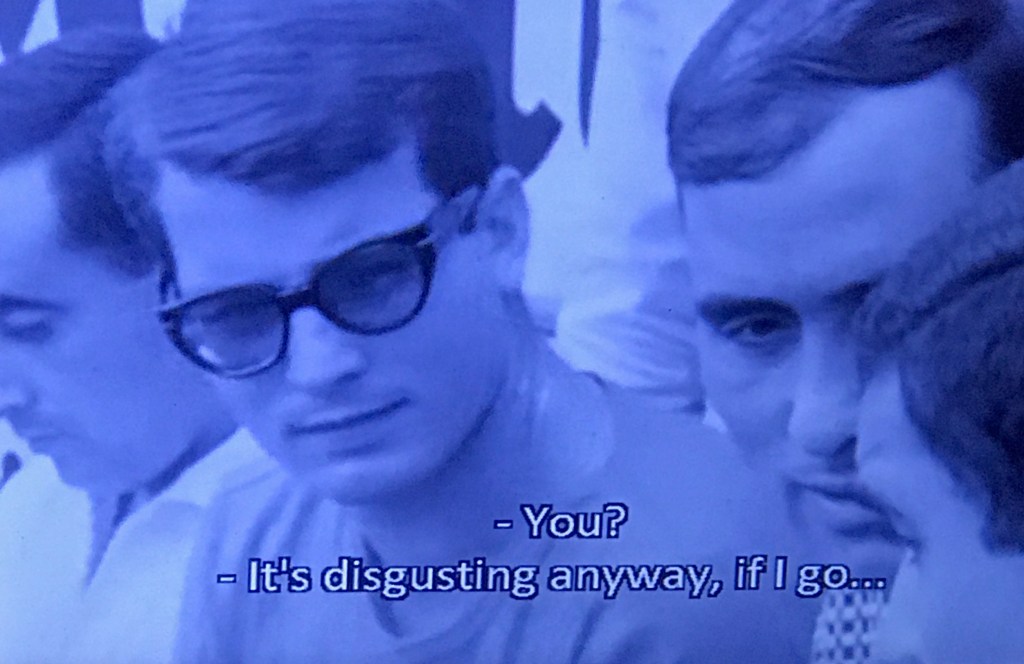
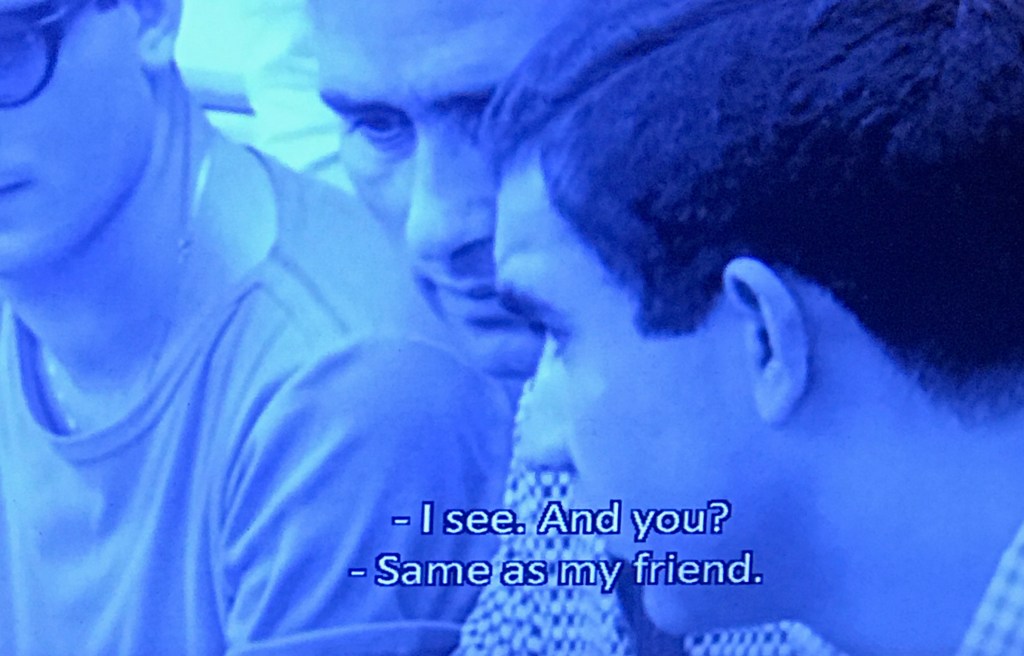
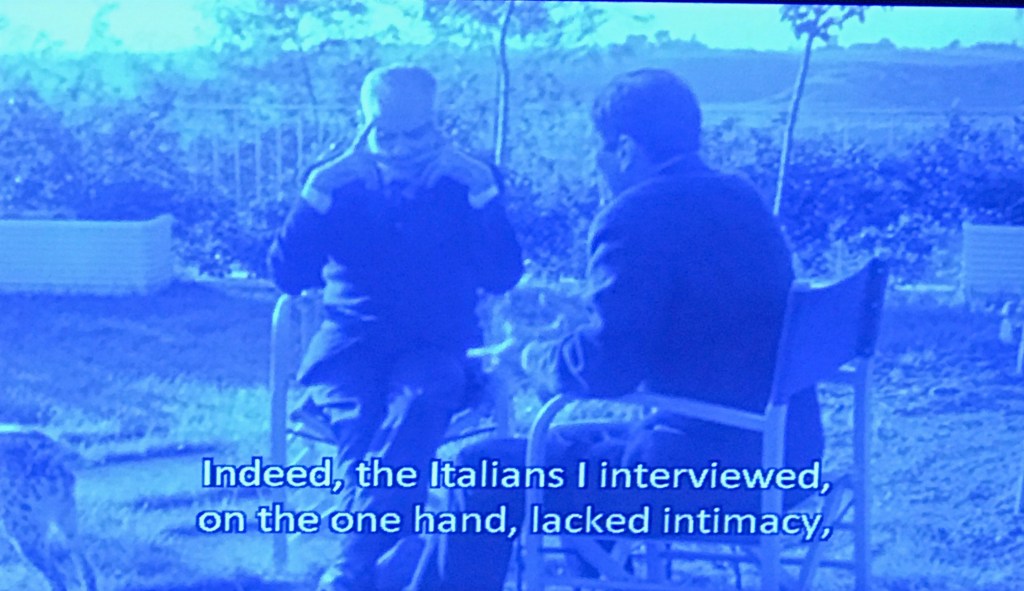
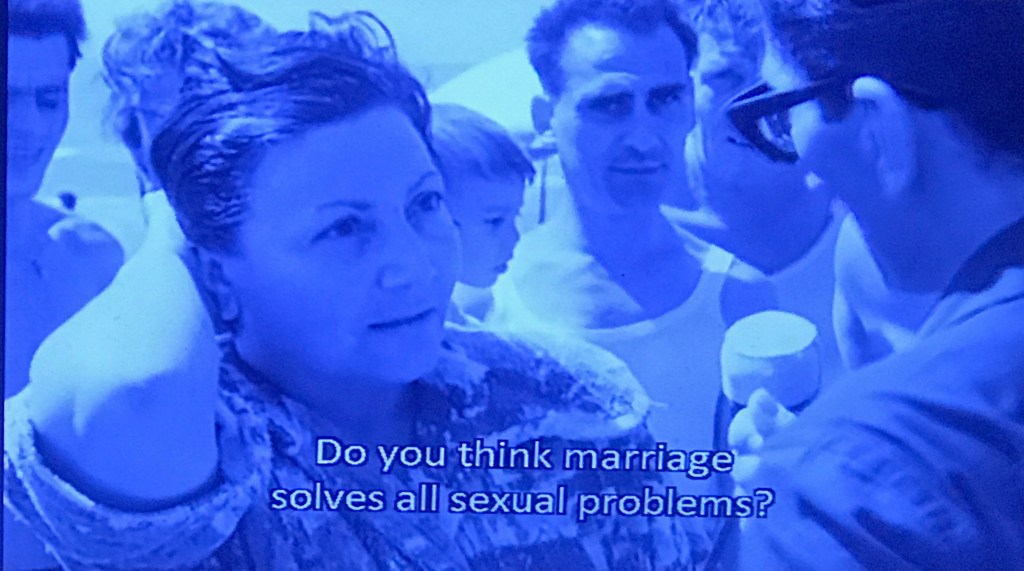
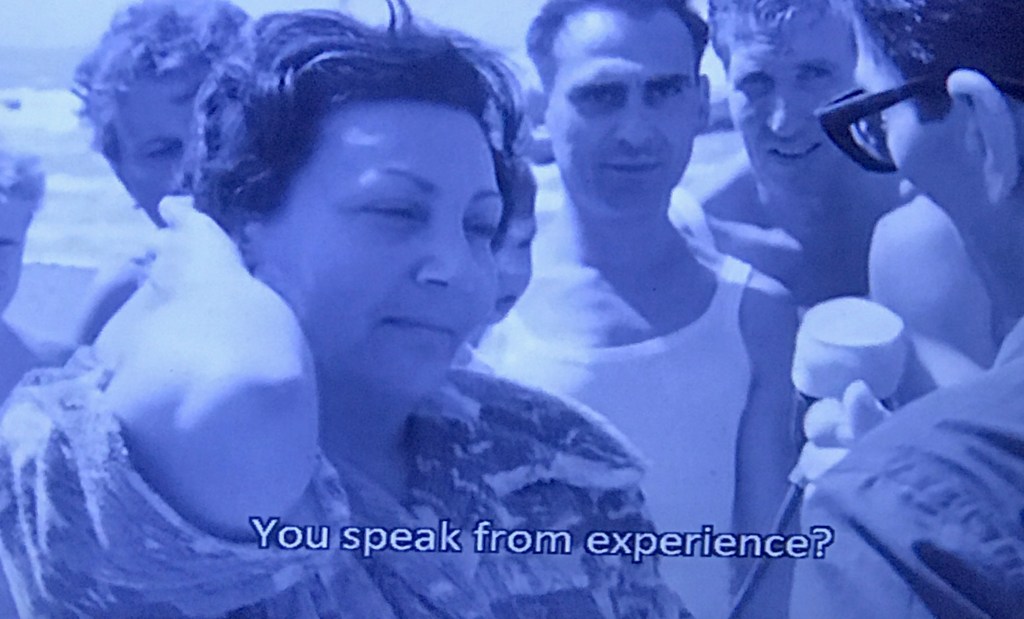
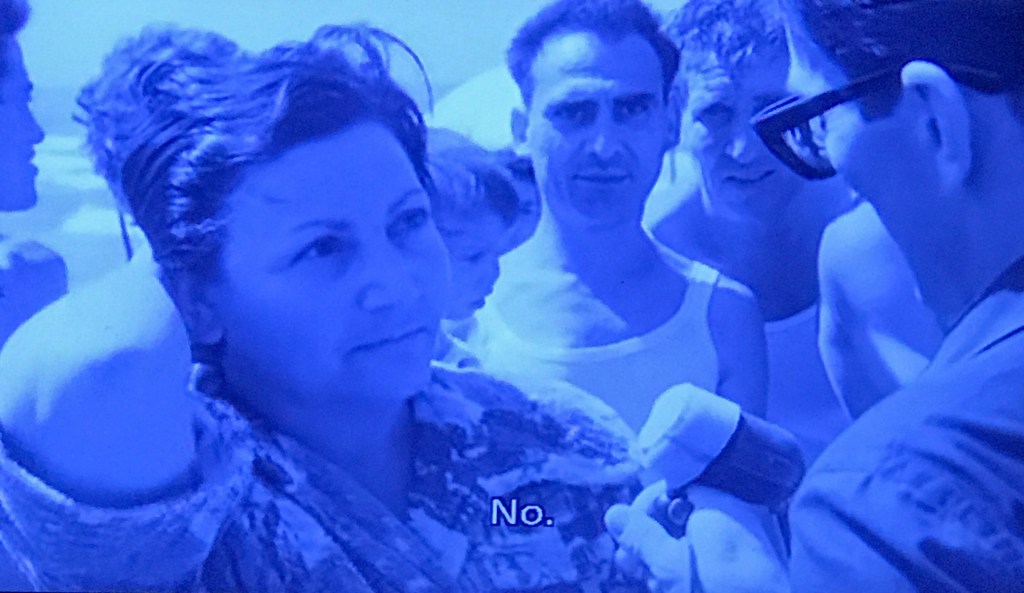
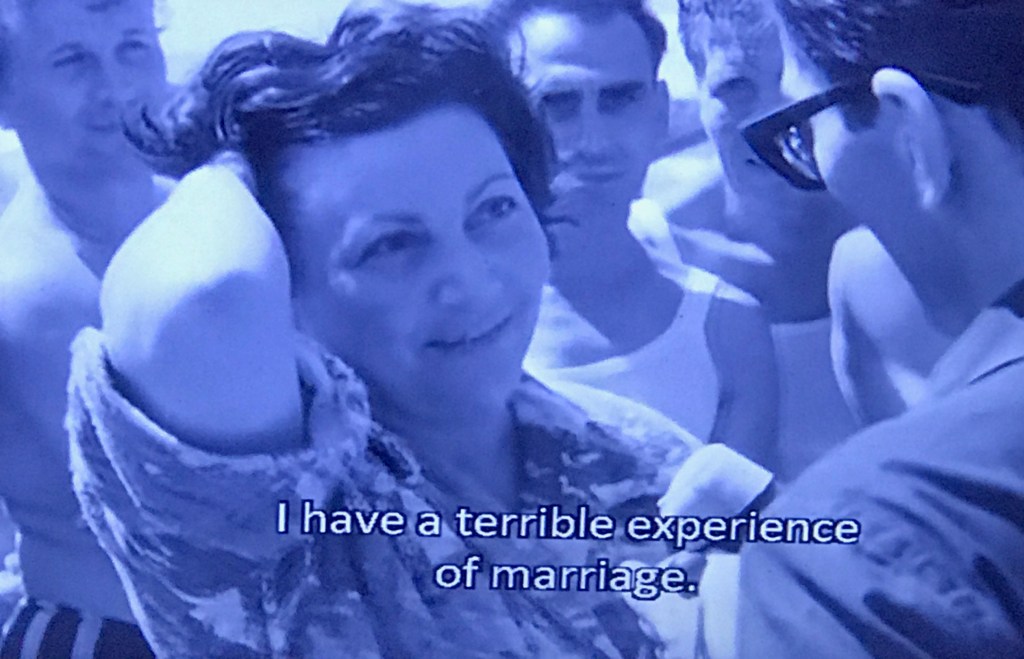
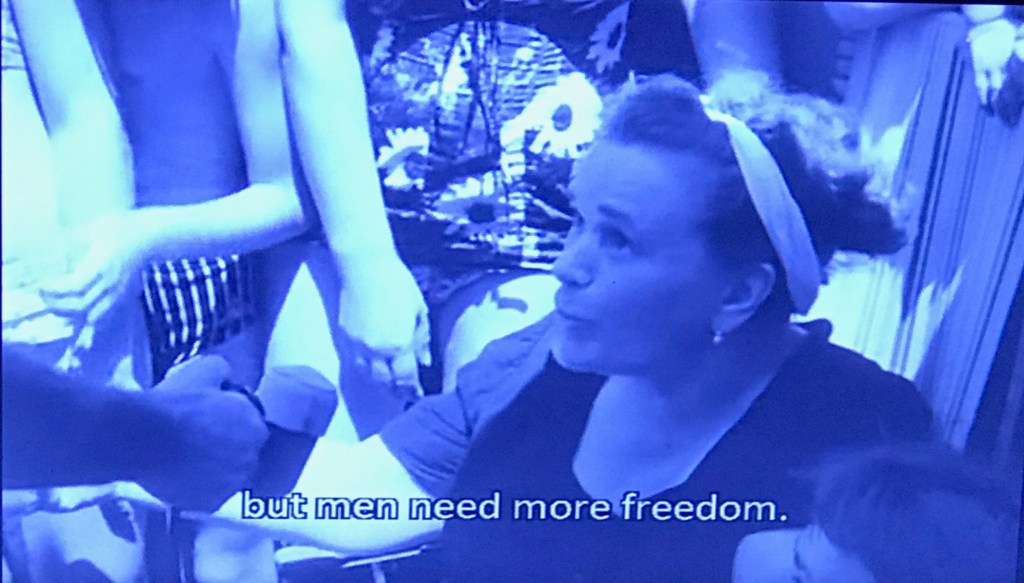
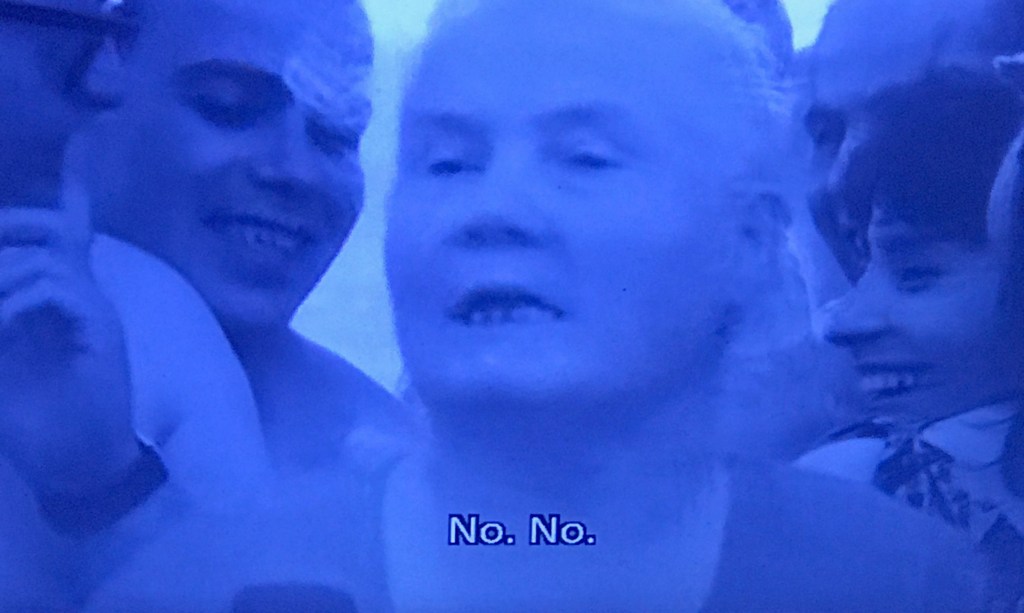
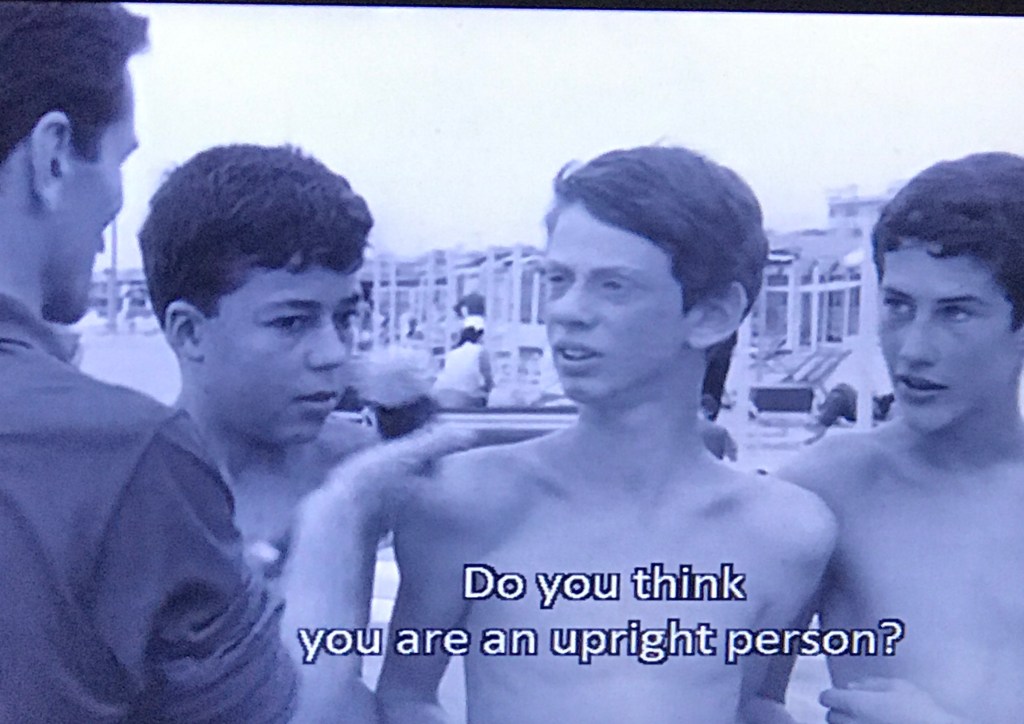
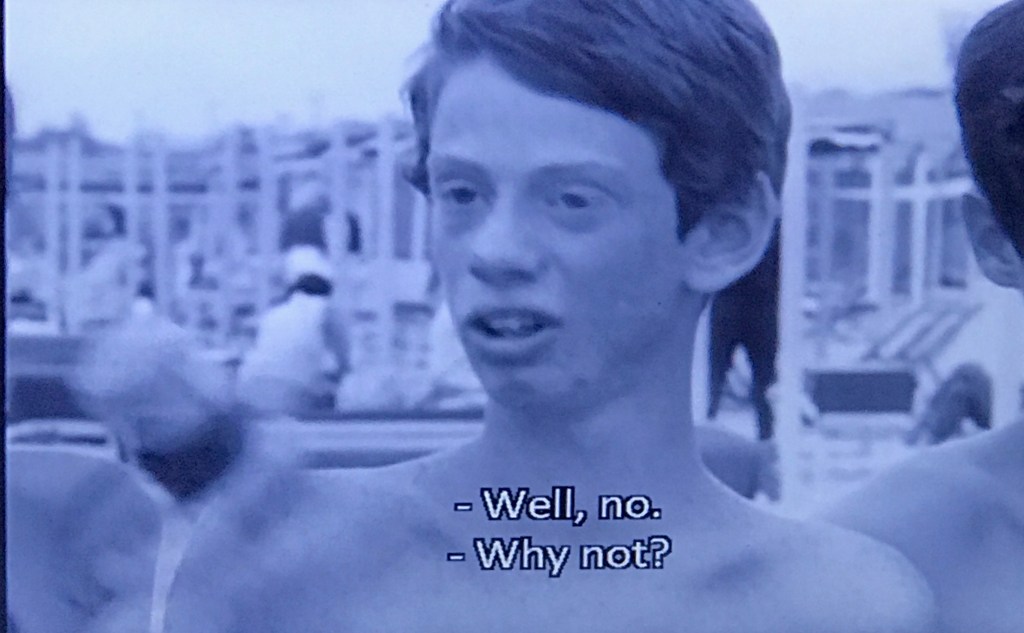
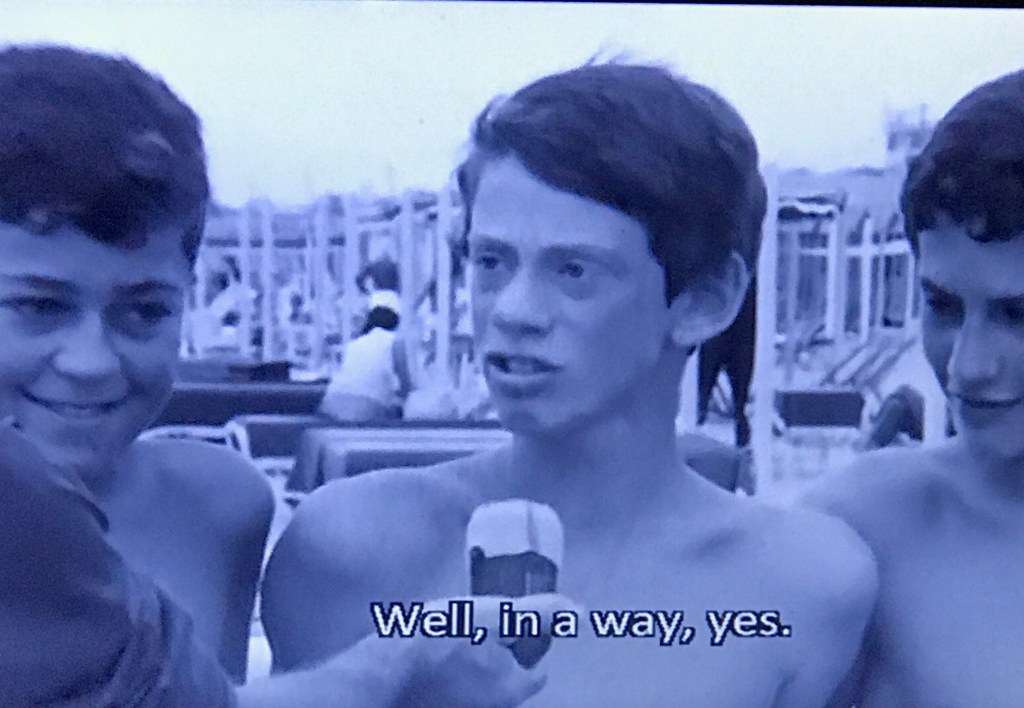
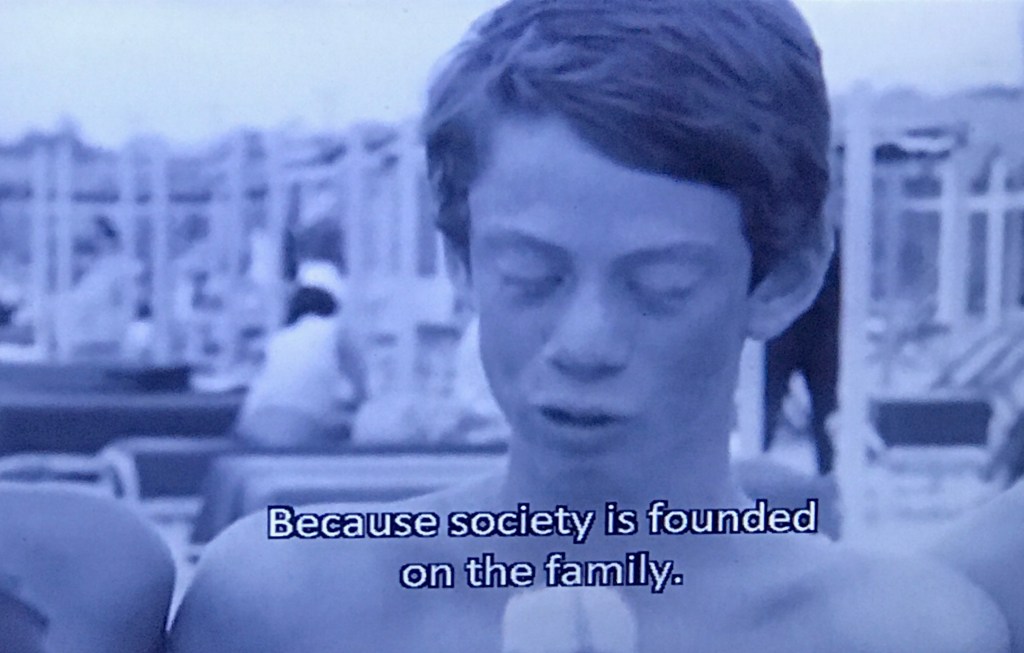
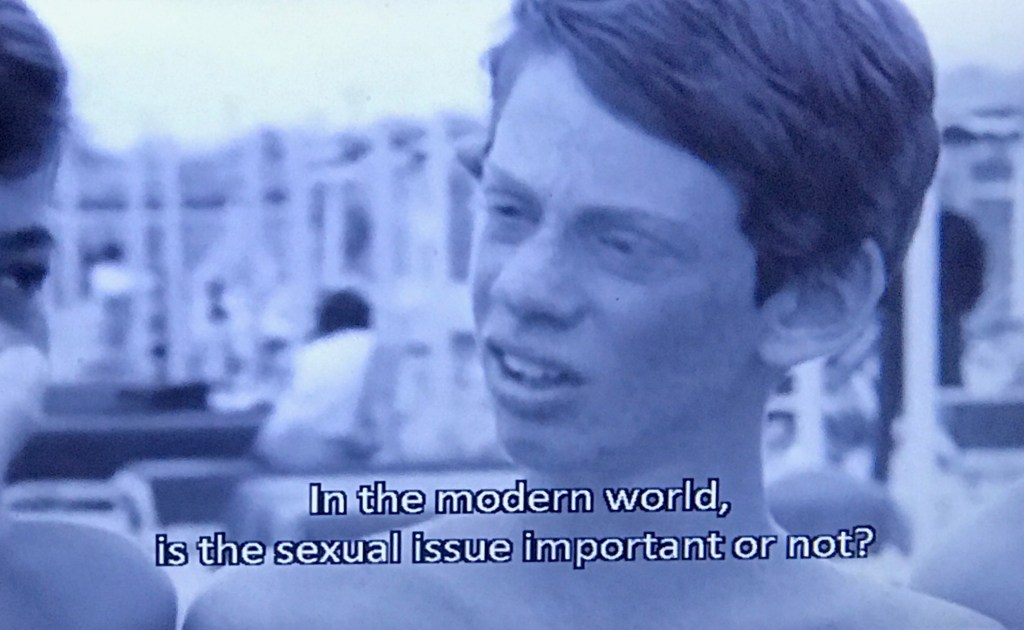
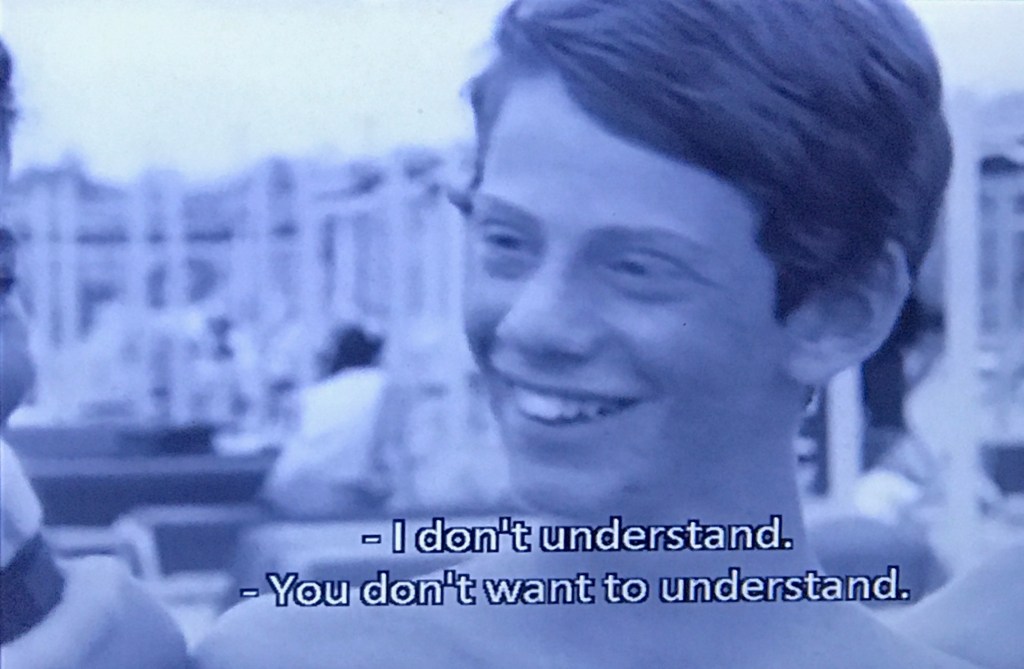
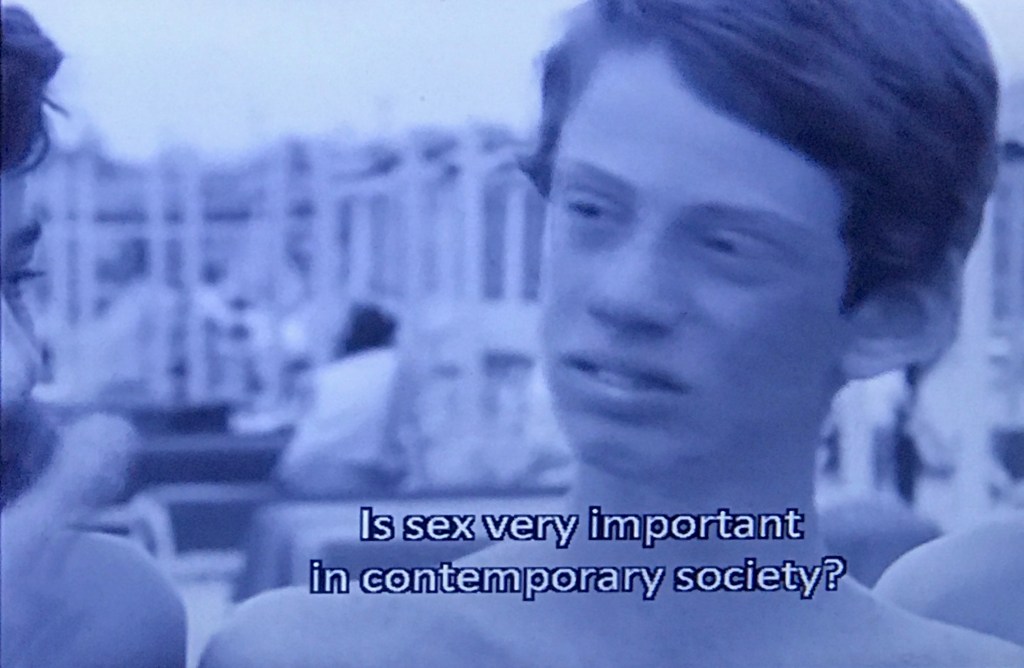
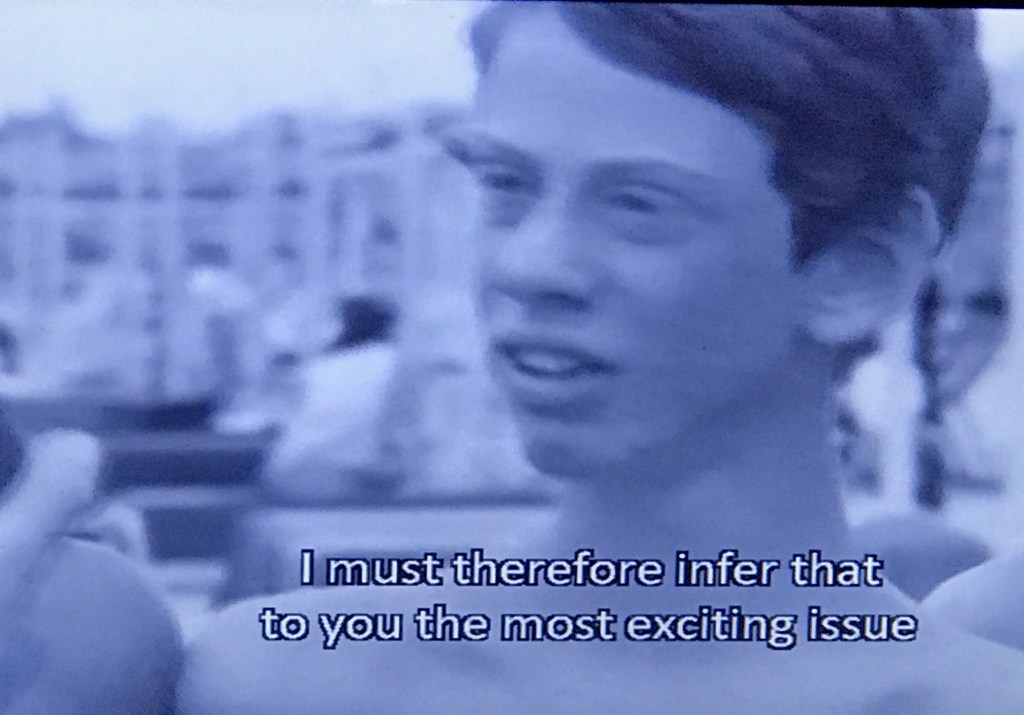
  • In 1964, Pasolini set out to mission impossible. He proposed a trip around Italy to document people’s views on sex. The result might sound outdated today, but it is not, by any means, irrelevant. One finds prosaic, uninformed, prejudicial opinions, but, at the same time, imaginative, inquisitive, and, somehow, liberated accounts on sex.

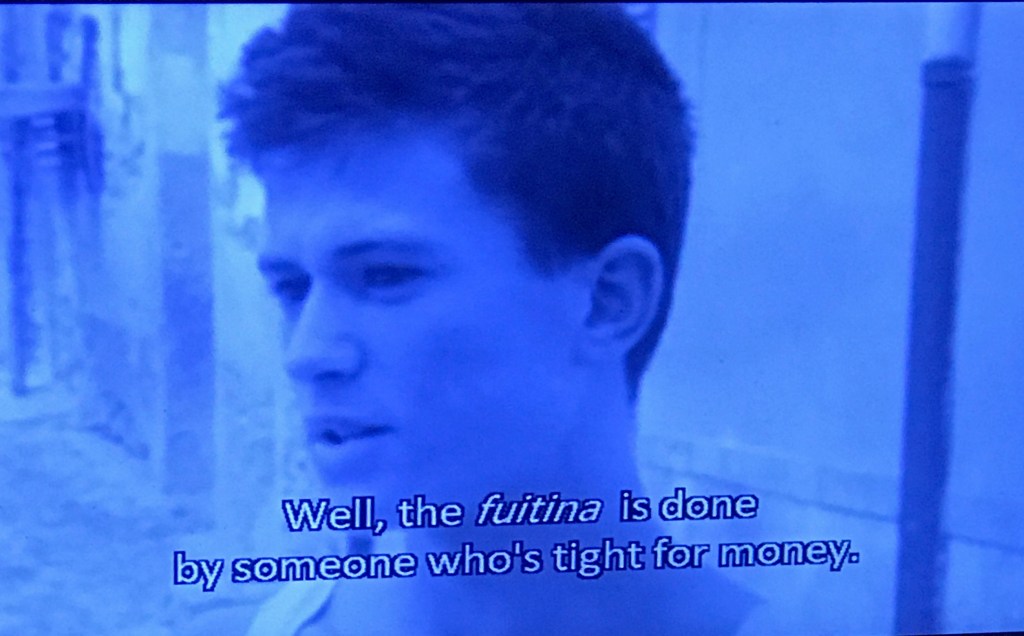
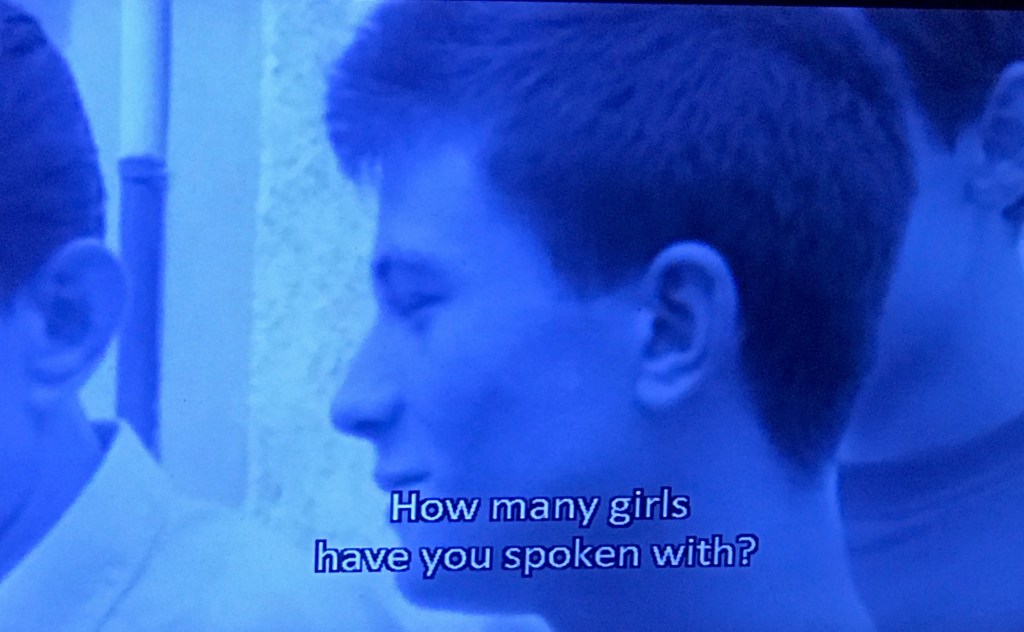
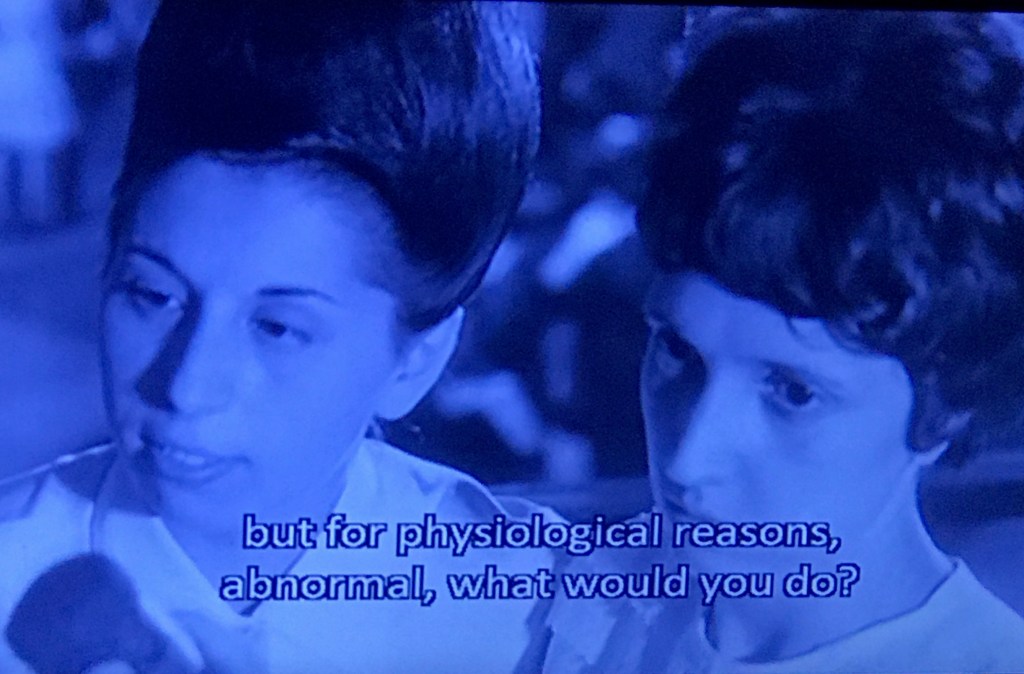
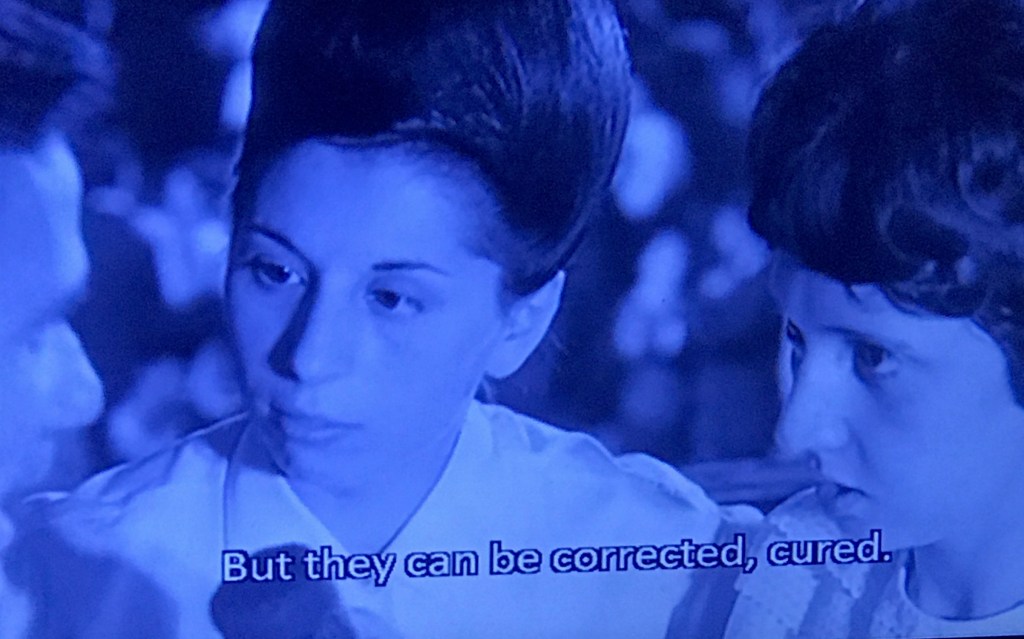
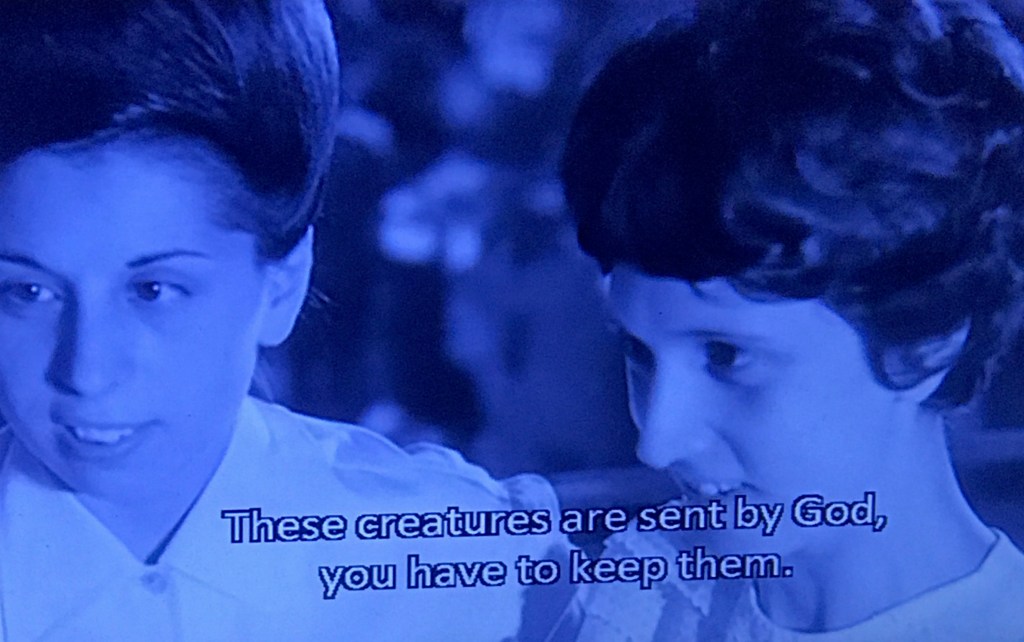
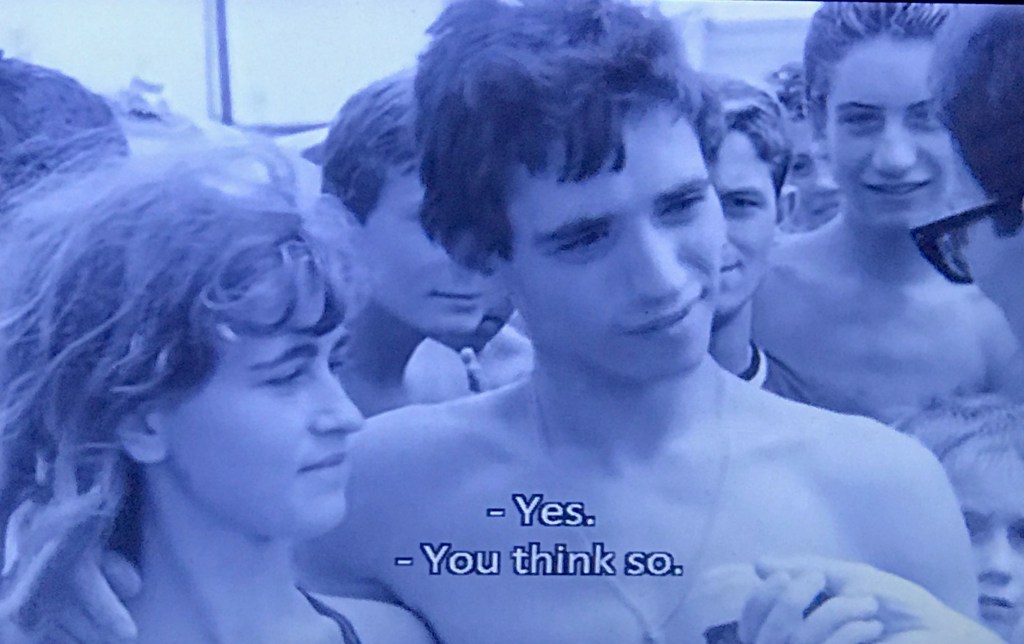
    I have gathered here a few screenshots of what I found brilliant moments, in which Pasolini pushes, challenges the people to say what they think or to build an opinion on the spot.  I wonder what happened to this documentary form, where filmmakers, journalists, and media professionals engage with the vox populi, as a bottom-up way of seeing the world.

    “Here in the deep south, everyone has a clear picture of sex”

    Pasolini visits the “deep” Italian South. He asks a young man about local terms such as fuitina (quick sexual intercourse). Bravely, he approaches a group of young men to ask how many girls they have met lately to find a disappointing answer.

    “I would resort to a remedy”

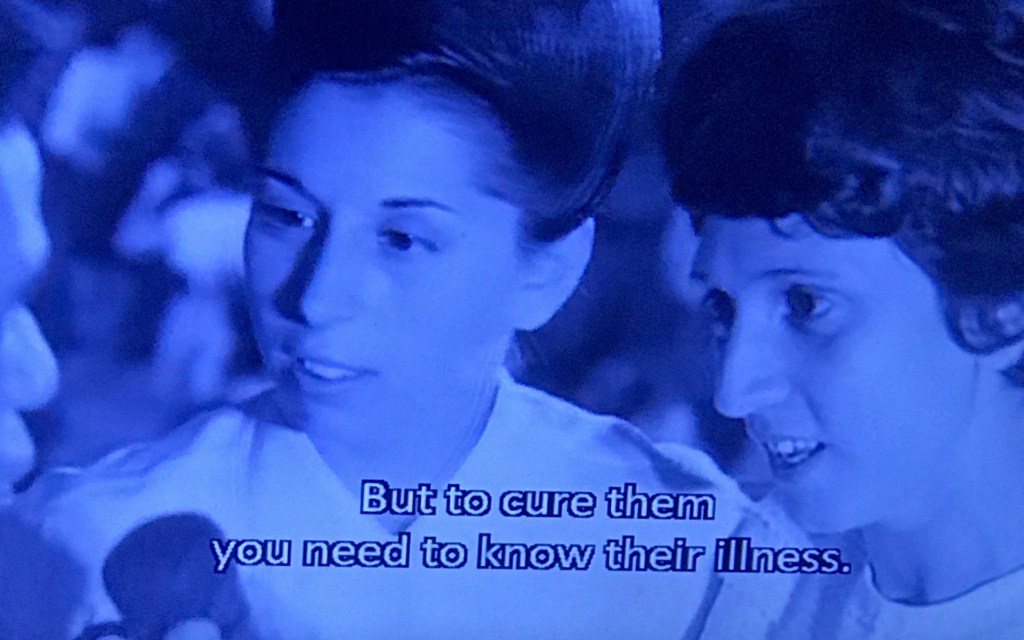
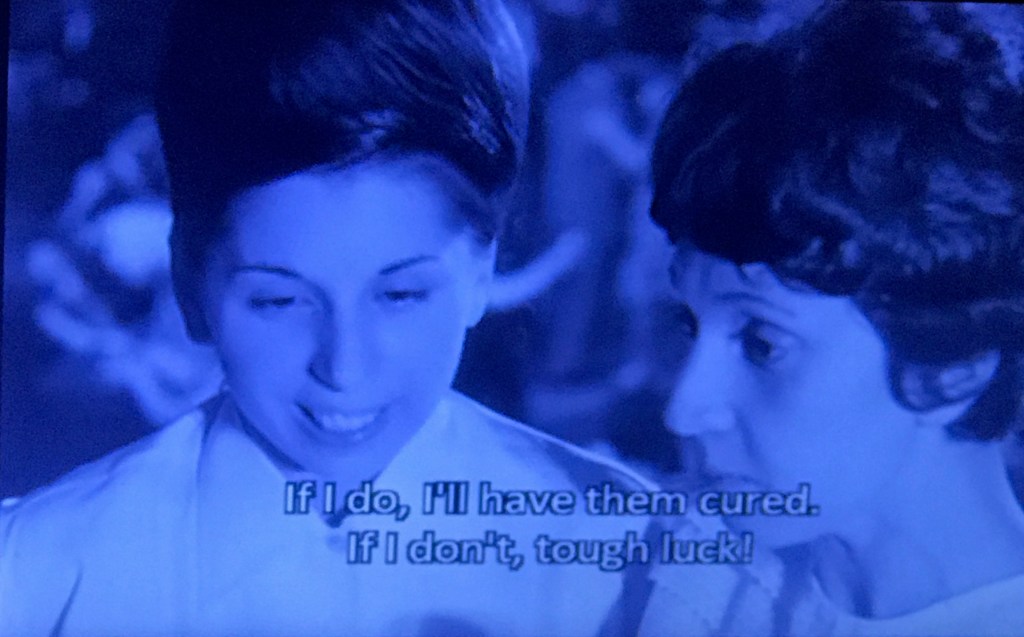
    When approaching two young women about homosexuality, Pasolini gets a wary response from the ladies. They said to have mixed feelings about the issue. One of them said she expected everything “goes well” when she gets married. While seeing homosexuality, in a psychologic perspective, as “abnormal”, they have hopes these individuals get “cured” or “resort to a remedy”.

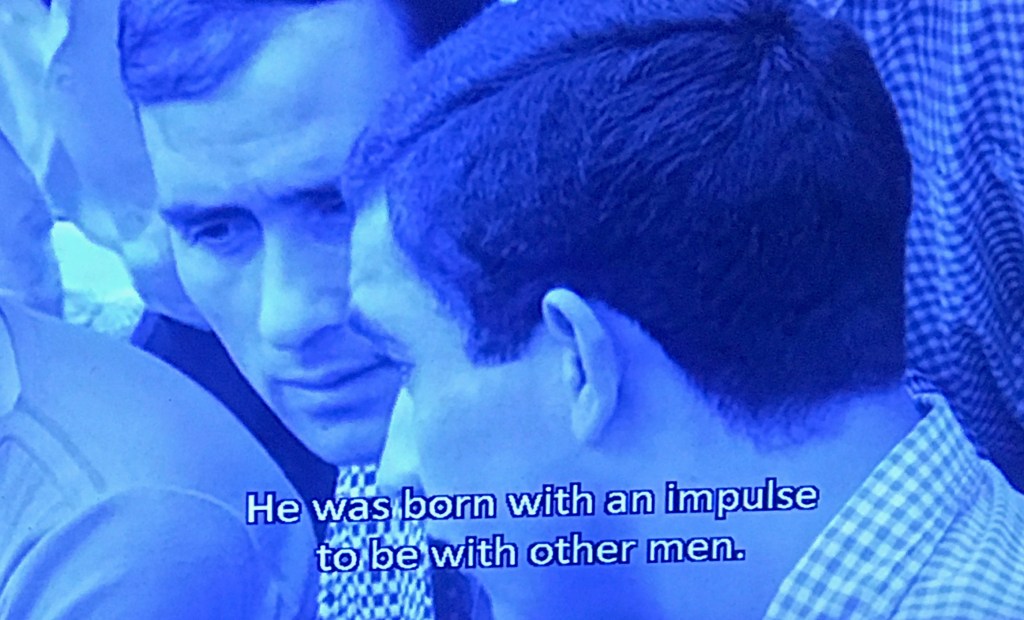
    “He was born with an impulse”

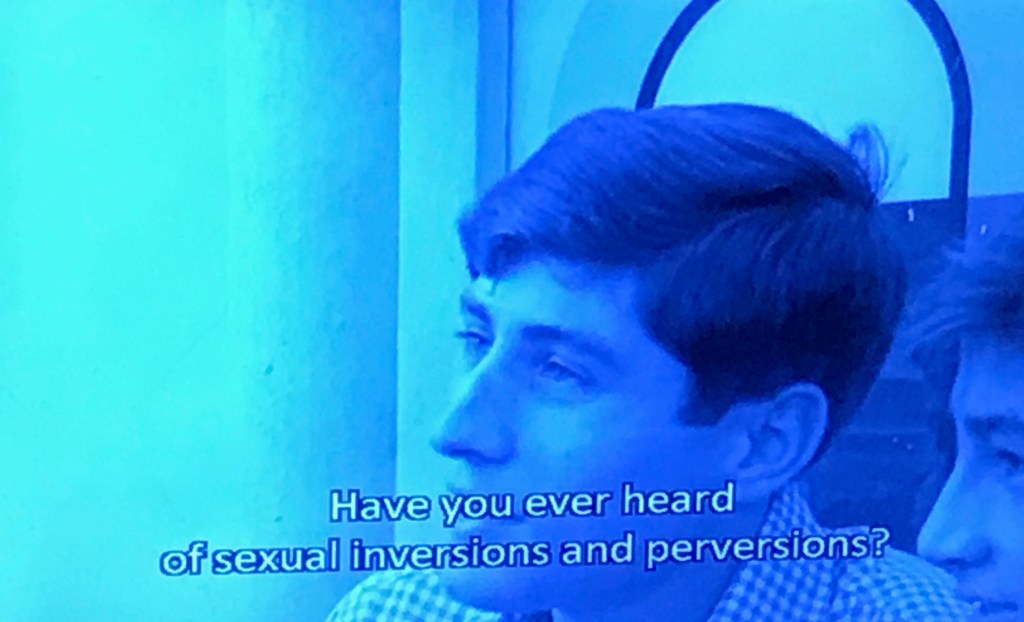
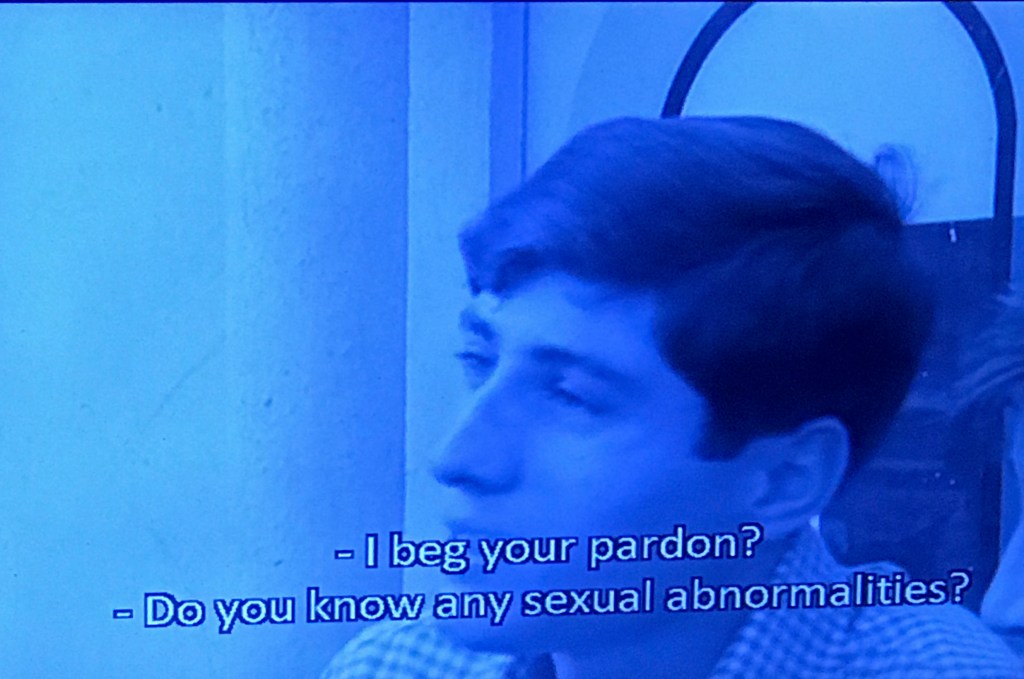
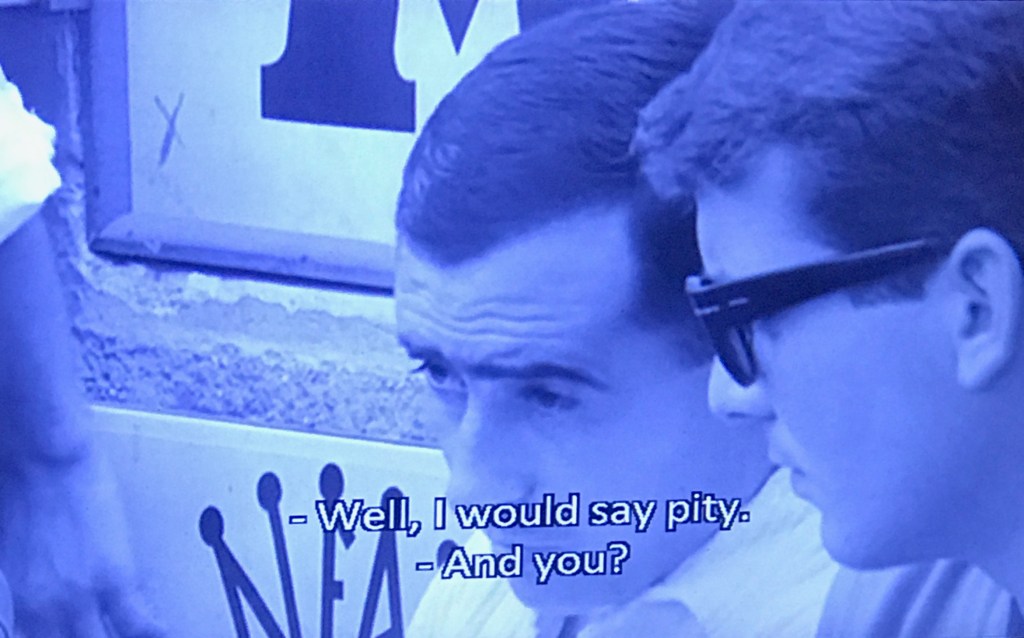
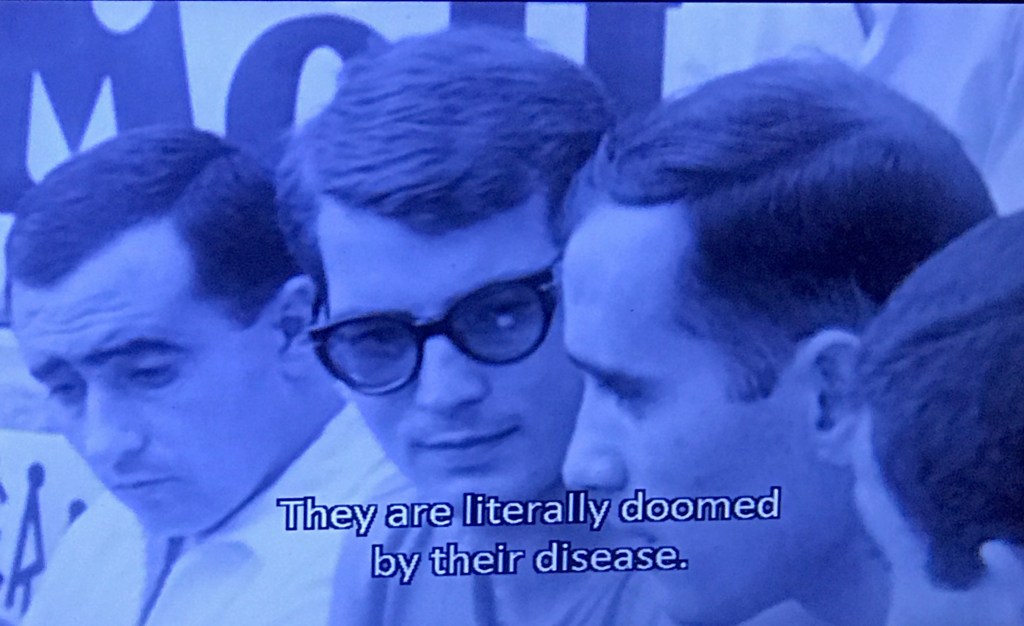
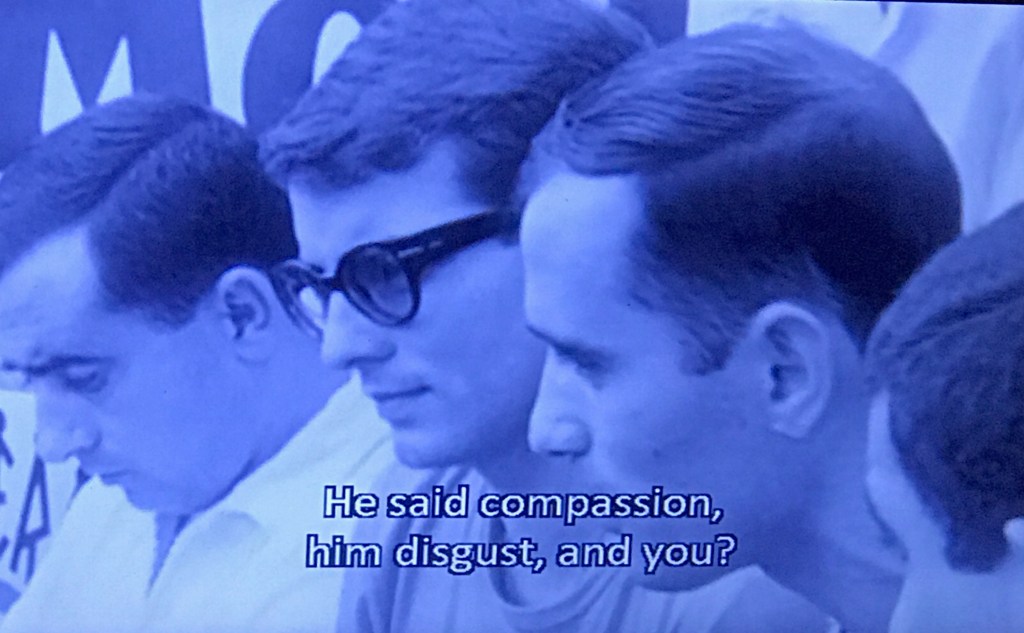
    Back in the north, Pasolini raises the same controversial questions to a group of young men. Responses get more nuanced, but once responding in front of their friends, some of the men are cautious at condemning “inversion” or “perversion”, while “accepting” it is dangerous. Most dwell on the “unnatural” v “of nature” argument. A few others say to “pity” inverted men due to their behaviour, “an impulse” to one of the interviewees.

    “It’s in a deep crisis”

    Consulting with a range of Italian intellectuals, Pasolini gets confronted with the complexity of his research, then decides in the middle of the film to adapt his survey to focus more on “practical questions”.

    “Encounters on Roman beaches”

    Looking for informal locations, Pasolini approached beachgoers of all ages, types, and educational backgrounds. The answers he collects are as varied as the characters are charismatic, Pasolini says to have acknowledged the “status quo.”

    “There was no sexuality, nothing”

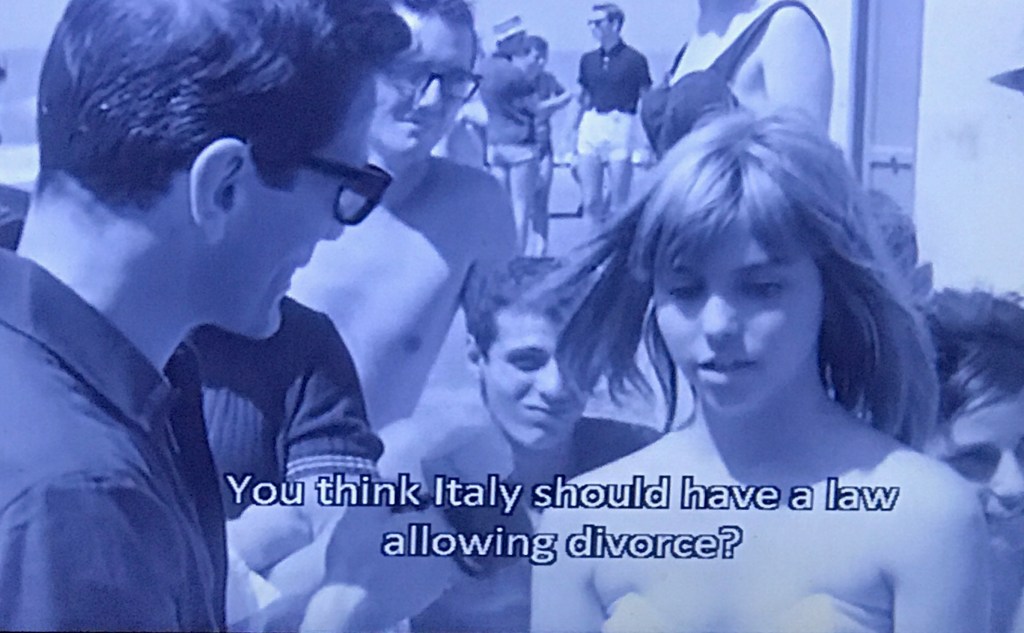
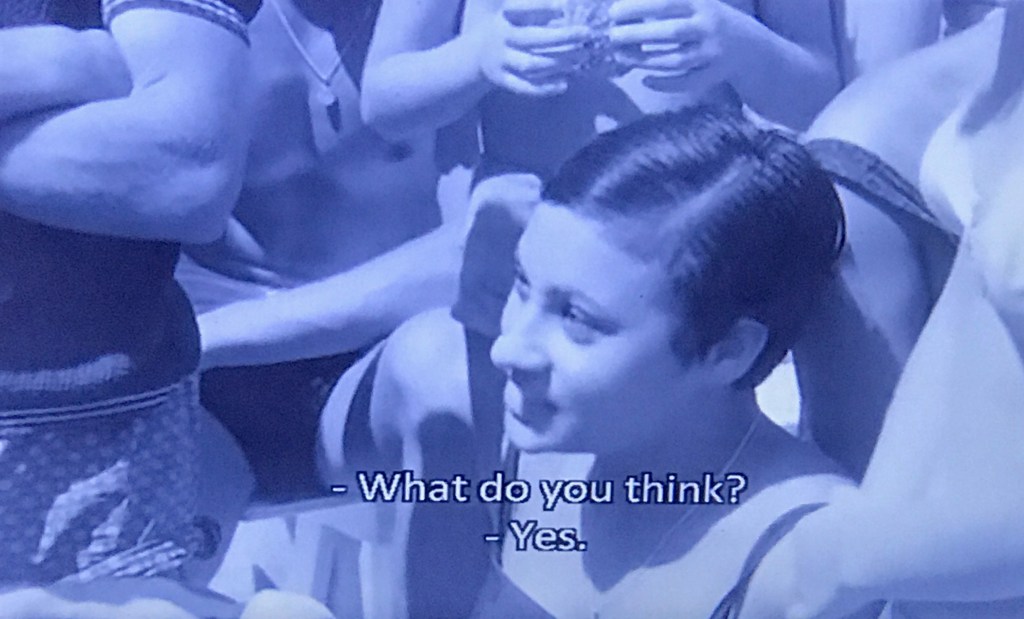
    At the end of the 1960s, Italy lived a period of liberalisation of sex-related laws, with topics such as divorce coming at the top of people’s discussions. Pasolini approaches in his beach series what local Romans think about these issues.

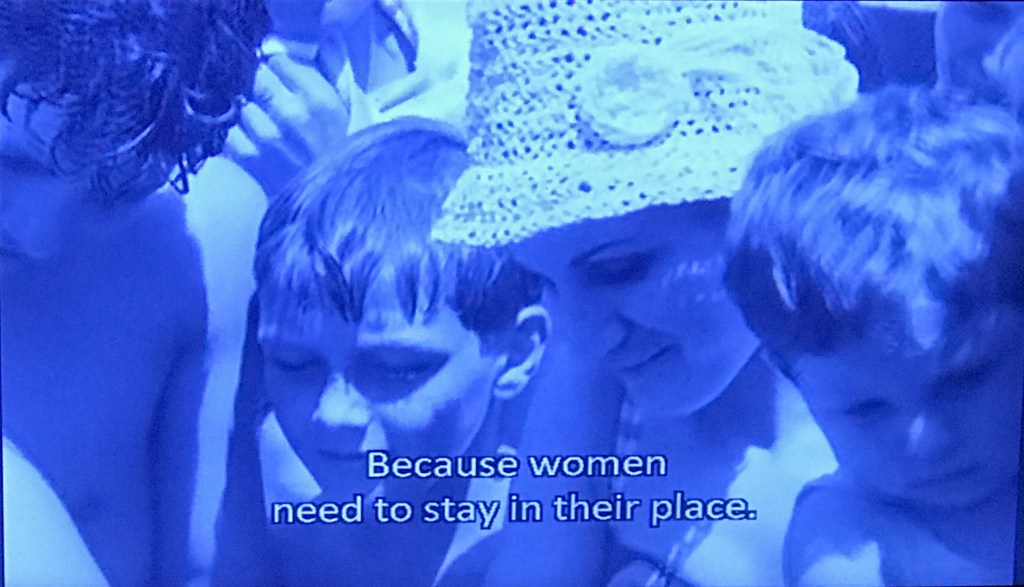
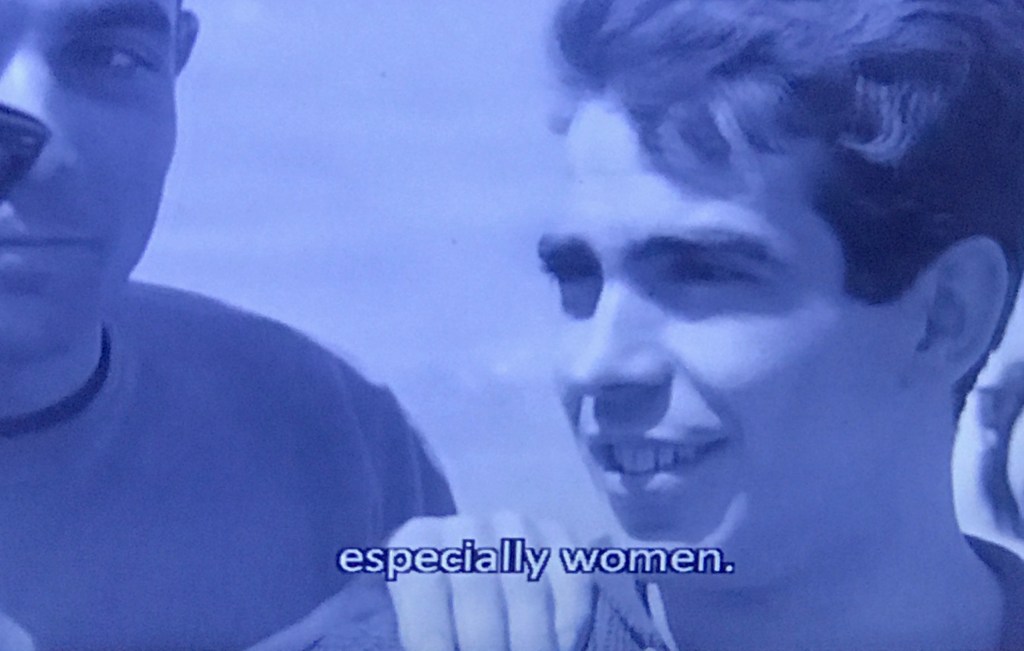
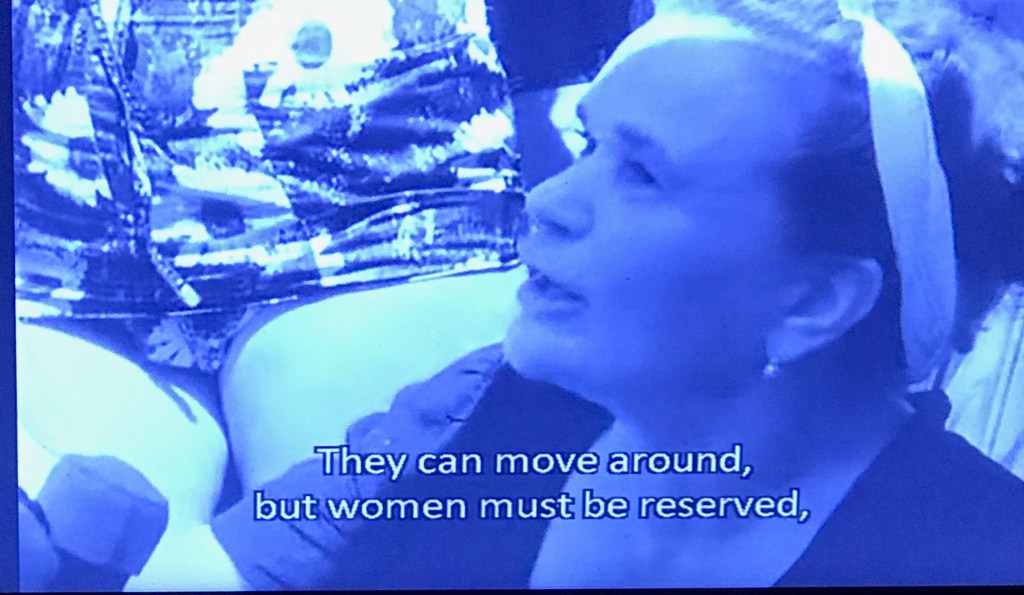
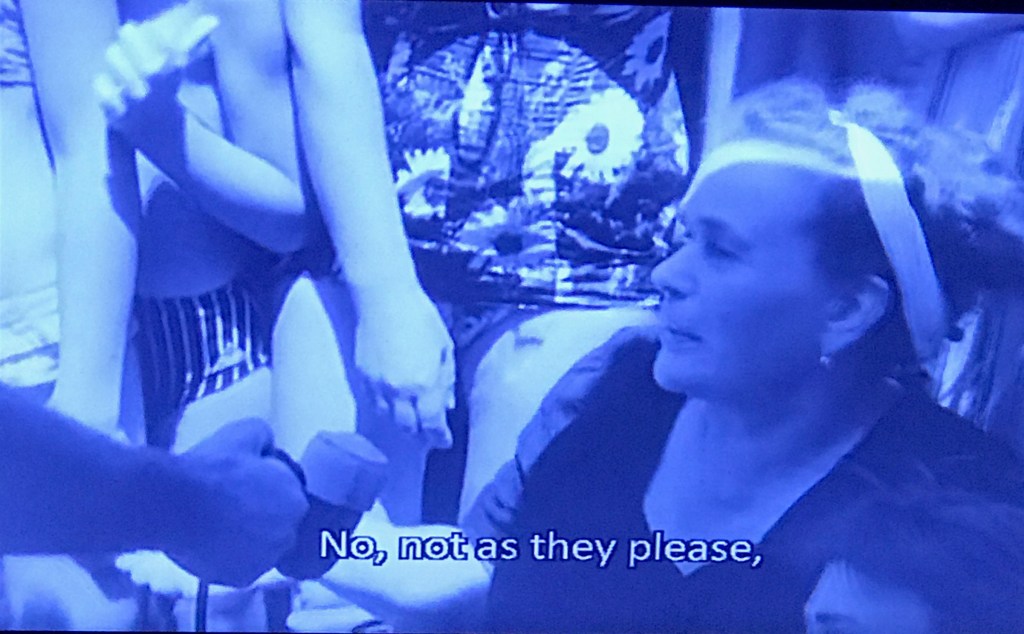
    “Because women need to stay in their place”

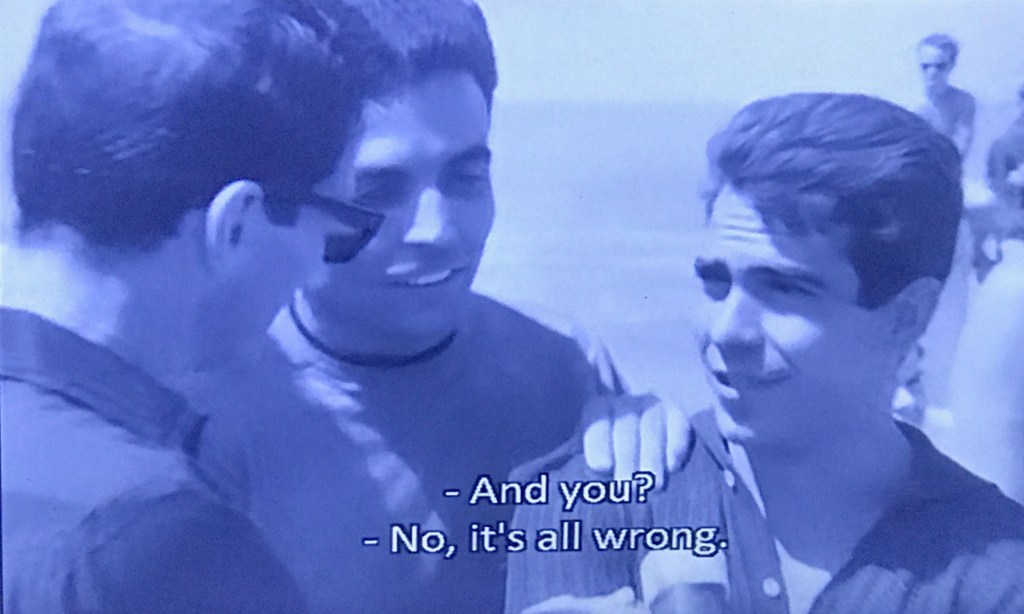
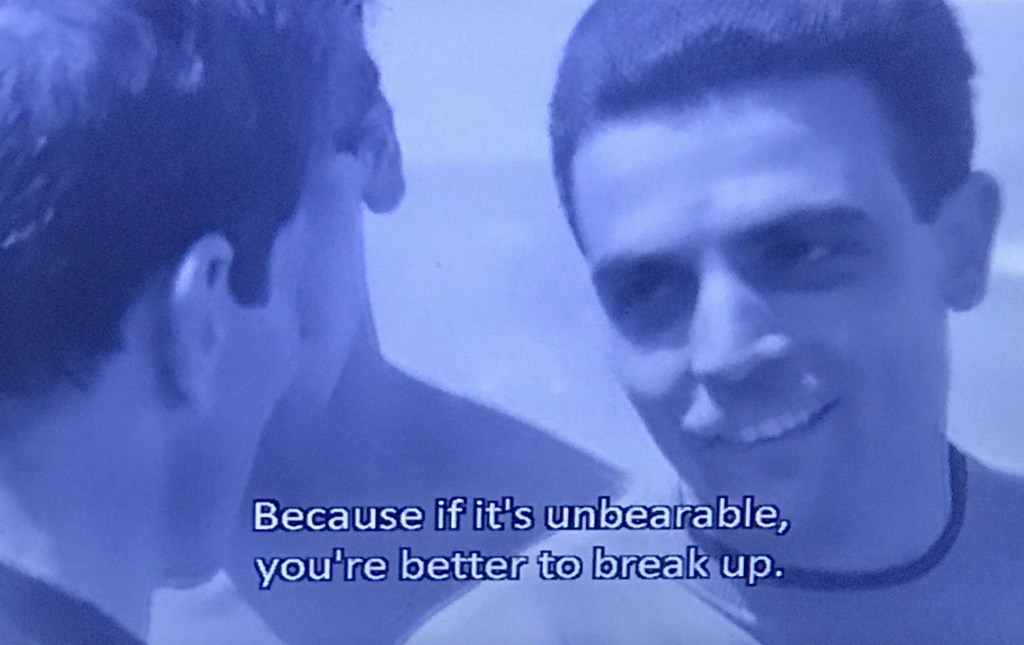
    The question on divorce had the potential of shaking the old structures of marriage and “La Famiglia”, bringing up strong opinions, but also revealing what was a generational conflict of ideas.

    “You don’t want to understand”

    Pasolini’s approach for young people has been notorious in cinema. His depiction of a punished youth in Saló makes one wonder what an encounter of his with young people, in reality, would look like. Well, in Love Meetings he not only meets them, but he confronts them with questions about sexuality. Interestingly, he challenges a group of three young boys on topics that could really be alien to them, such as the issue of love v. one’s patriotic love.

  • 81F6qVR2E7L

    Stuart Hall’s considerable influence in the UK and abroad stems from his cultural, sociological and political trajectories (Back & Moreno Figueroa, 2014; Roman, 2015; Zhang, 2017), as these areas perfectly articulated throughout his life (Solomos, 2014). Familiar Stranger: A Life Between Two Islands (Penguin, 2017) is an excellent opportunity to glance over them in both personal and academic terms.

    For those who aim to engage with the thought of the famous sociologist, Hall’s memoirs provide available panoramic guidance. For those like me, who seek in him the Jamaican immigrant, it is refreshing to see that the man has, in fact, lived in and out of the establishment.

    In reality, by centring the book’s narrative like that of a “stranger”, an image that Hall kept of himself until later life, editor Bill Schwarz allowed that a stream of conversations could unfold logically. We go through many of the doubts and concerns that spring from Hall’s move from Jamaica and become witnesses to his awakening as an immigrant in Britain.

    Kind but mind-blowing, the emotional portraits of Jamaica appear to depict a place stuck in time. Many of these snapshots show how life in the colony is far from an assimilated narrative. Britain continued, by many senses, “present” in modern Jamaica.

    The range of everyday situations that derive from Hall’s background is essential reading for anyone interested in seeing how colonialism works. Primarily because it is neither monochrome nor solemn: it was the White British man mocked on the streets of Kingston for its colourful clothes and excessively formal gestures; it was the Jamaicans’ detailed reproduction of the old British class order.

    Indeed, Hall refuses to assess colonialism on binary grounds. Instead of “pessimism” (Jhally, 2016), one finds in his accounts a sophisticated dynamic that stirs a set of unrecognised identities. Colonialism is the drainage of other people’s culture and wisdom, as it is a lengthy collection of myths that will probe the invader’s superiority.

    The voice of the immigrant that underpins all this is the same of the academic. This is in-distinctively a feature of Hall’s work (Ang, 2015). But we cannot stop perceiving how the former overshadows the latter. Tales of his life illustrate much of his theoretical points much more efficiently. For instance, his perception of physical difference, which manifests since his early stages of life (he was “the darkest” of his family). That context can clarify why he struggles in seeing himself as the “bursary-holder, Oxford student”, highlighting the “young colonial” who came to struggle with the vast collection of imperial icons.

    This active consciousness of being “the other” while putting his efforts into developing familiarity with the concepts of this adopted nation creates an ambiguous scenario setting throughout the book. The ability to accept and refuse the status quo is recurrent: on one side, Hall contradicts his otherness by engaging with British society at length; on the other, he enlists differences that do not go away.

    Questions emerge on the nature of colonial or post-colonial taxonomy, if only for its epistemic view to be challenged. Hall quotes his wife Catherine (Hall) to ask: is Kettering a city in Northamptonshire or the little coast town in Jamaica of his memory? Allegorically, this sort of comparison also serves him to go back and analyse his family’s past behaviour, so black and yet so colonial.

    Like many foreigners living in the so-called global cities of our time, Hall stashes away “colonial” moments to disclose them in crucial moments.  For him, this continued ambivalence of an immigrant’s consciousness mustn’t reach the level of cynicism but as a by-product of diaspora: “I characterise my particular brand of being ‘out of place’ as the product of a ‘diasporic’ displacement.” Bhabba’s “in-between” or Du Bois’s “double consciousness” are two of the thought-inspiring theories on which he draws during the conversation.

    To break away from the early colonial life, to join the ex-Empire, then find himself moving towards a “re-birth” amid post-colonialism are phases of Hall’s life that –  amazingly – did not lead to resentment, or at least we don’t know it from the book. Despite the fact that he became the political protagonist and member of the academic elite that we know, his experience seems to have been one of discomfort, mainly when his political life had led him to tacit negotiations that entailed the racial, economic divides in Britain.

    Familiar Stranger covers, for instance, the strategic ‘forgetfulness’ of the ex-Empire when new generations of Indian, African, and Afro-Caribbean immigrants arrived in the 1950s. For Hall, nobody could have possibly revived the memory of the British hosts, as they seemed to ask: “Who are these people? Where are they from?” The “disavowal of a collective force” has clashed with the long-dreamed expectation of millions who saw the British land as the promise, as in reality, it was the big “illusion” (a feeling also carried by Hall’s? it does not become not clear).

    That the settlement of the colonial experience fails, Hall to be aware, but where he dwells more often is on the link with the following decades of hardship and racism. Quoting the late 1950s riots as a response, Hall remembers how the “Windrush” generation would find itself continuously reacting to the most blatant racism in the media. Readers might wonder what Hall would have made of 2017’s Grenfell Tower in flames.

    Furthermore, the last two chapters of the book try to harmonise this back-and-forth journey from colonial to postcolonial, finding a possible projection of England as “home”. Hall lays out the case of Henry James, the White American author. James is one of the few literary names to grasp a broader diasporic side of living in Europe. James’ loyalty to his origins appears in his sense of impersonating a kind of immigrant that fearlessness assesses his position at the heart of the colonial heritage.

    Again, we are back to discuss taxonomic choices. Hall’s prefers “British” over “English”, as he sees the latter term being “denied” for someone of his skin colour. By making these exercises of meaning, Halls settles his condition in British society, perhaps as a neutral element. Partner to a white woman; member of UK’s “radical” New Left; a protagonist in academia, these were his safe ports, as he categorically asserts: “I wanted to change British society not to adopt it”.

    Nonetheless, some questions remain: Is complete integration, as we know, as Hall knows it, still a viable or replicable experience? How do we remember a younger generation of colonial or post-colonial taxonomies and repertoires in the age of identity-based positions? What place has the immigrant’s truth amid the ever-reproducing colonial myths? Is Hall’s genuine independence of mind still available for us, 21st -century immigrants in the UK and elsewhere?

    Living the adopted reality without “giving himself away” is Hall’s inspiring tale of his life as an immigrant, from which we learn his unique mode of diasporic thinking (Rizvi, 2015).

    In times of turbulence for immigrants worldwide and migratory journeys to Britain made increasingly more complicated (to be worsened after Brexit), Familiar Stranger enlightens on the impossibility of integration. As Eric Hobsbawm also mentions: A Polish man migrating into the UK will be a Polish man in the UK, not a new arrival to the “community”.

    In the face of a wide range of limits imposed to any idea of one’s insertion in contemporary, cosmopolitan society, within and outside cultural borders, Hall’s reassessments can inspire a broader reflection on the everlasting effects of colonial taxonomies. This is seen to this date: the detachment (or forgetfulness) of the British locals on crucial aspects of their legacy around the world, as well as the detachment of the new immigrants of their adopted nations’ past.

    In both cases, Hall’s voice still tells us that settling down in a foreign land should not drive one’s acceptance of inherited meanings as a given, but an invitation to adequately and moderately challenge them as they manifest in the everyday routine.

    References

    Ang, I. (2016). Stuart Hall and the tension between academic and intellectual work. International journal of cultural studies, 19(1), 29-41.

    Bhabha, H. K. (1996). Culture’s in-between. Questions of cultural identity, 1, 53-60.

    Back, L., & Moreno Figueroa, M. (2014). Following Stuart Hall. City, 18(3), 353-355.

    Hall, S. (1993). Culture, community, nation. Cultural studies, 7(3), 349-363.

    Hall, S.; Schwarz, B. (ed.) (2017) Familiar Stranger: A life between two islands. London: Penguin.

    Roman, L. G. (2015). ‘Keywords’: Stuart Hall, an extraordinary educator, cultural politics and public pedagogies. Discourse: Studies in the Cultural Politics of Education. 36 (2), 161-170

    Rizvi, F. (2015). Stuart Hall on racism and the importance of diasporic thinking. Discourse: Studies in the Cultural Politics of Education, 36(2), 264-274.

    Solomos, J. (2014). Stuart Hall: articulations of race, class and identity. Ethnic and Racial Studies, 37(10), 1667-1675.

    Zhang, L. (2017). How to understand Stuart Hall’s “identity” properly?. Inter-Asia Cultural Studies, 18(2), 188-196.
  • I won the City University’s Images of Research award with an image that represented my PhD research.

    The photo shows one of the gigantic sculptures by Projeto Morrinho, an art project that started out from Rio de Janeiro’s favelas. It consists of – literally – a mountain of bricks colourfully painted to represent a favela community, with its tiny streets and colourful dwellings up on the hill. It carries positive messages and small figurines, which give a realist but with a touch of fun and grace.

    I had captured the image while on a visit to the Museum of Art of Rio de Janeiro, in 2016, then recently refurbished.

    I thought this image illustrated my research because it had everything I looked at in media producers from Brazil’s periphery: It showed improvisation, community spirit, and the right of self-representation, which is a new possibility for Brazil’s disadvantaged populations.

    The way that Projeto Morrinho has proudly assembled the installation, which showed one of the regions which Brazilians had been most ashamed, either because of its poverty or precariousness, explains how the perception of these communities has changed, within it and outside. They communicated hope and a will to confront reality with joy, strength and creativity.

  • Two new publications feature the life and work of academic and postcolonial thinker Stuart Hall: Familiar Stranger (Allen Lane) and Selected Writings (Duke University Press). Both were reviewed by Tony Jefferson for a recent edition of Theory, Culture, and Society. On Familiar Stranger we find:

    “Originally conceived more than 20 years ago as a short dialogue outlining Hall’s intellectual trajectory, it grew to a manuscript of ‘over 300,000 words’(xiv) at the time of Hall’s death in 2014. Schwarz was then faced with a massive editing job and then, after discussing with the publishers, recasting everything ‘as a first-person narrative’(xv). The fact that it reads so smoothly is a testimony to Schwarz’s labour and his ability to ventriloquize Hall: ‘Some parts are verbatim, while many others have been constructed from fragments’(xv).”

    Indeed, after reading this first book, it is evident that Hall’s depth and originality feel much untouched, even though Schwarz, the editor, admits in the preface to have worked hard to glue what were actually multiple excerpts. In fact, some parts were actually collected by email or during conversations, as Stuart Hall’s health deteriorated, delaying the book’s launch. The editor’s strategy has made the whole thing make sense as the book reads according to the sequence of Hall’s life in the UK. On Selected Political Writings, it is said:

    There are seven essays on ‘The New Left and after’, eleven on ‘Thatcherism’ and three on ‘NeoLiberalism’, which are book ended by a concise contextualising ‘Introduction’ by the editors and an unfussily succinct ‘Afterword’ overviewing ‘Stuart Hall as a political intellectual’ by Michael Rustin. 54 years separate the first and last essay; but you would hardly know it. The themes are those thrown up by the changing political scene: changes in political parties (like post-war changes in the Conservative party, the birth of Thatcherism, the crisis of Labourism, the formation of a new social democratic bloc, New Labour); broader shifts (e.g. in class relations, political commitment, the New Left, racism, the growth of authoritarianism, new times, neoliberalism); and dramatic events (like the Cuban crisis). But the continuity in approach is remarkable.

    This remarkable political trajectory is another chapter of the complex genius of Hall’s. In the end of the books, the reader will have witnessed a kind, but profoundly aware individual on the limitations of life in the so-imagined metropolis. At the same time these limitations aren’t enough to stop what turned out to be a strong engagement and frenetic militancy, to the extent that it often overshadowed that of the native inhabitants of the ex-Empire. As Jefferson asserts on Hall’s multiple lives:

    Add to this the ‘double consciousness’ of a diasporic intellectual and one can begin to see the origins of an expanded view of the political and impatience with reductive thought of any kind.

    The full review can be accessed here. To complete Hall’s deserved revival in Brexit Britain of 2017, a podcast presented by Ben Carrington fleshes out the multiple impressions Hall has caused during his academic life. Here, there are debates on immigration, racism, colonialism, and conscious Marxism that emerge in the voice of his ex-work partners, colleagues, and admirers. It is really worth listening, delivered in a fine-cut radio show in accessible and didactic format for non-UK spectators.

  • It sits on a medium-size, industrial city at the heart of Germany’s Hesse State. The city of Kassel receives once again the Documenta 14. Although the art show has had an earlier edition in Athens, Greece, it is here that we better acknowledge its spread, disarticulated, and site-specific project. Without wrapping itself in only one sign, as the Venice Biennale does to Venice, or the São Paulo Bienal dwells on a big modernist building, the Documenta is distributed in multiple sites; it is impersonal, and does not have a big crowd, though it still conserves a certain charm.

    From the short visit I paid recently, I attempted to summarise the key trends, as curators seemed particularly anxious to talk colonialism, globalization, and democracy.

    1. Parthenon of books, Marta Minujín

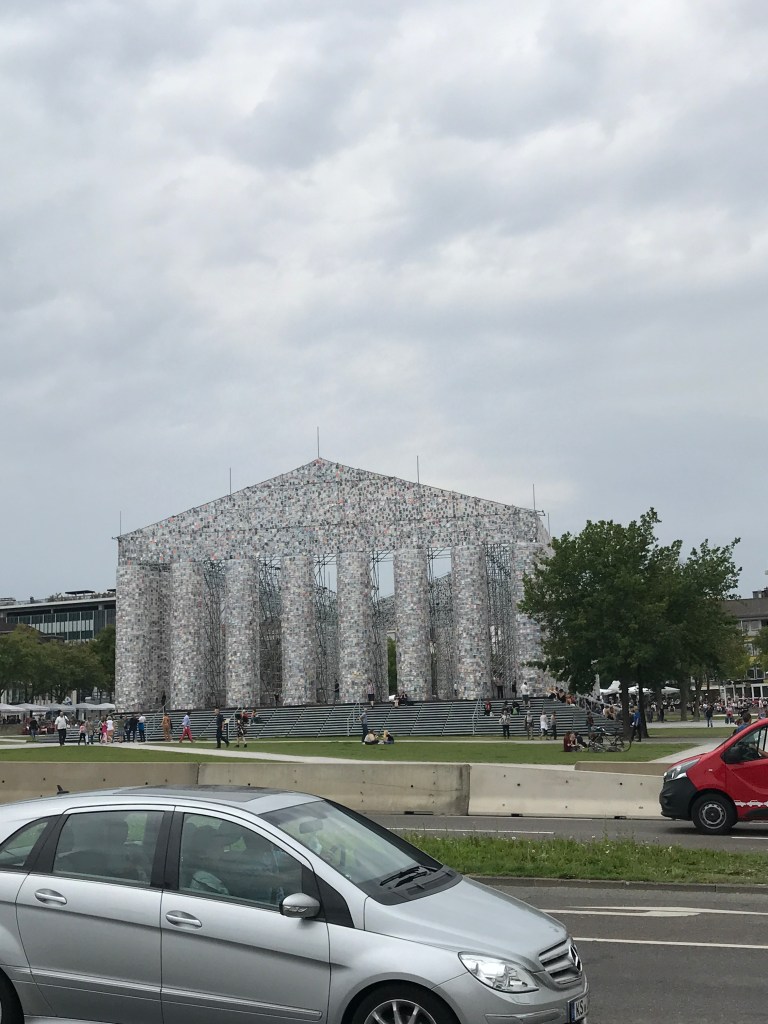
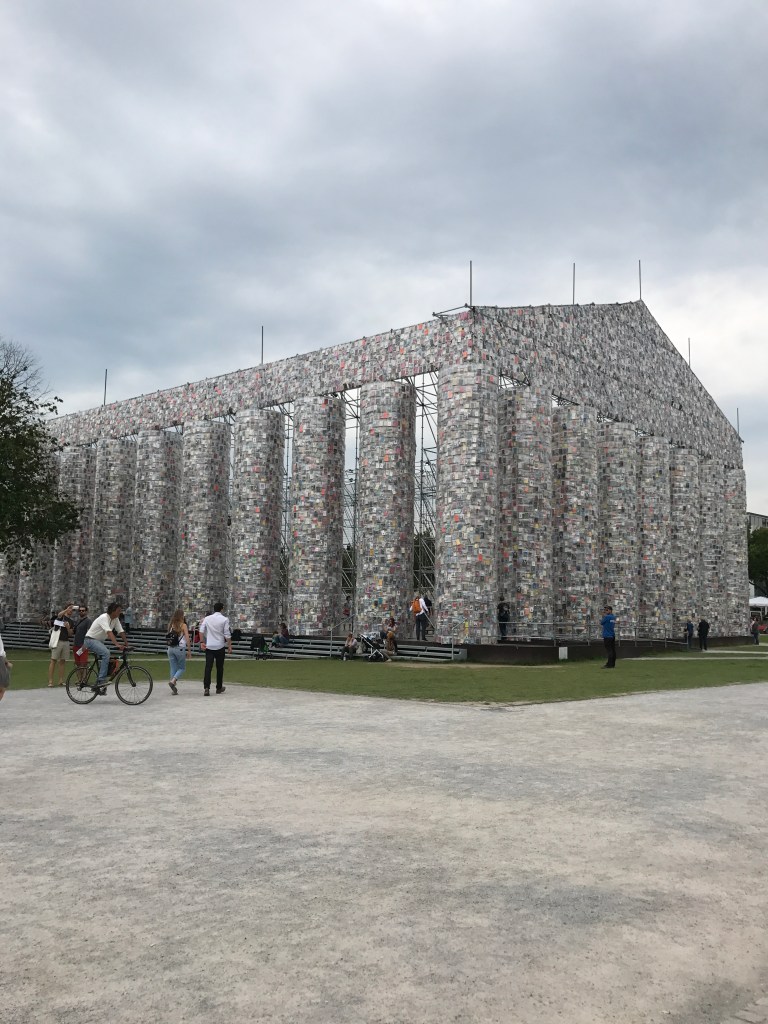
    As one of Kassel’s big feats of this year, the Argentinian artist Marta Minujín has recreated that old Greek Parthenon by attaching books to large, real-sized structure. Appropriately, Minujín has chosen titles that were banned during the Argentinian dictatorship. As an archetype of democracy, and culture as social justice, the construction sounds like a cliché. However, it ends up complying with Documenta’s ambition to discuss it as an ideal. First, curators seemed much influenced by the Athens’ edition. Second, as found elsewhere in the Documenta, Minujín mimics in her construction not the whole democratic project in the shape of a building, but seems to agree that “democracy” has to be re-enacted as utopia, as no building is sustained only by books. In fact, by underlining her work with bloody, and, somehow, unresolved legacy of the Argentinian dictatorship, the artist rightly recovers some degree of originality by also highlighting the slow reconstruction of democracy in her home country, since the early 1980s. The monumentality of the work at Kassel’s main square eventually helps us to forget the common place in which the artist operates.

    2. Fluchtzieleuropahavarieschallkörper – Guillermo Galindo

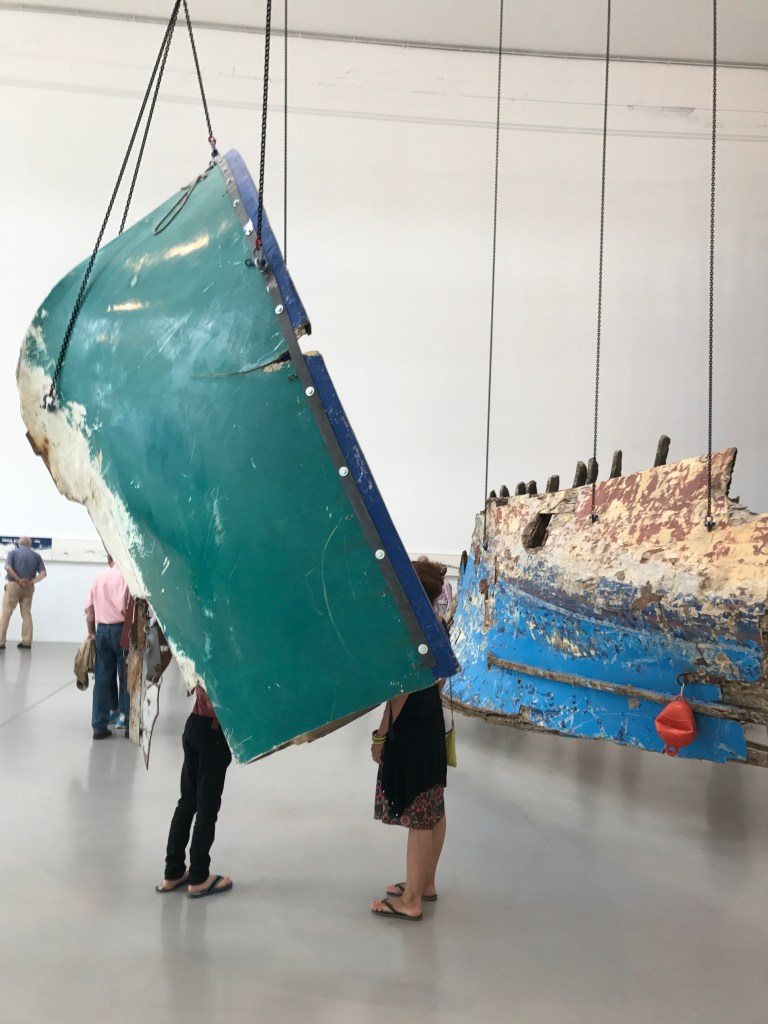
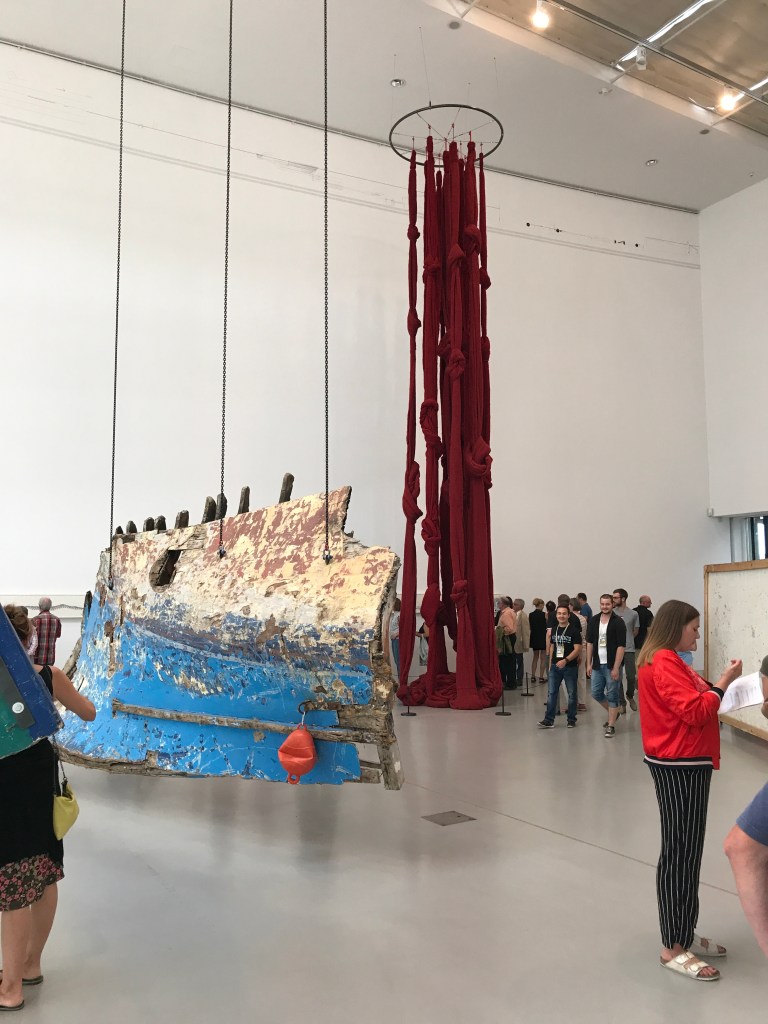
    By appropriating remains or reliquiae left behind by those rushing to cross the US/Mexico border, Guillermo Galindo gives us a powerful image of an important issue of our time. If migration is rather abstract and ephemeron, the artist gives to it an image of a hanging boat wreckage. If the news media exploits the portrait of migrants arriving in Greece from the East; or lining up to crosses fences in Calais, swimming to escape drowning in the Mediterranean, Galindo reverses this repertoire by promoting absence and nostalgia. Emptied bottles, a weathered plastic comb, animal bones are other parts of his imagery, as if they were monuments in praise of those who are neither there, nor here; they are gone. Such enormous drama echoes O’Keeffe with her carcasses, which also runs in risk of commoditising hardship, and the run of those souls through the desert, and yet, what happens is the opposite: the artist sensitizing us about the questions that stem from these hanging remains. The calm that arises from the still life does not explain the whole story, nor it should.

    3. Proud and Well – Ali Farka Touré

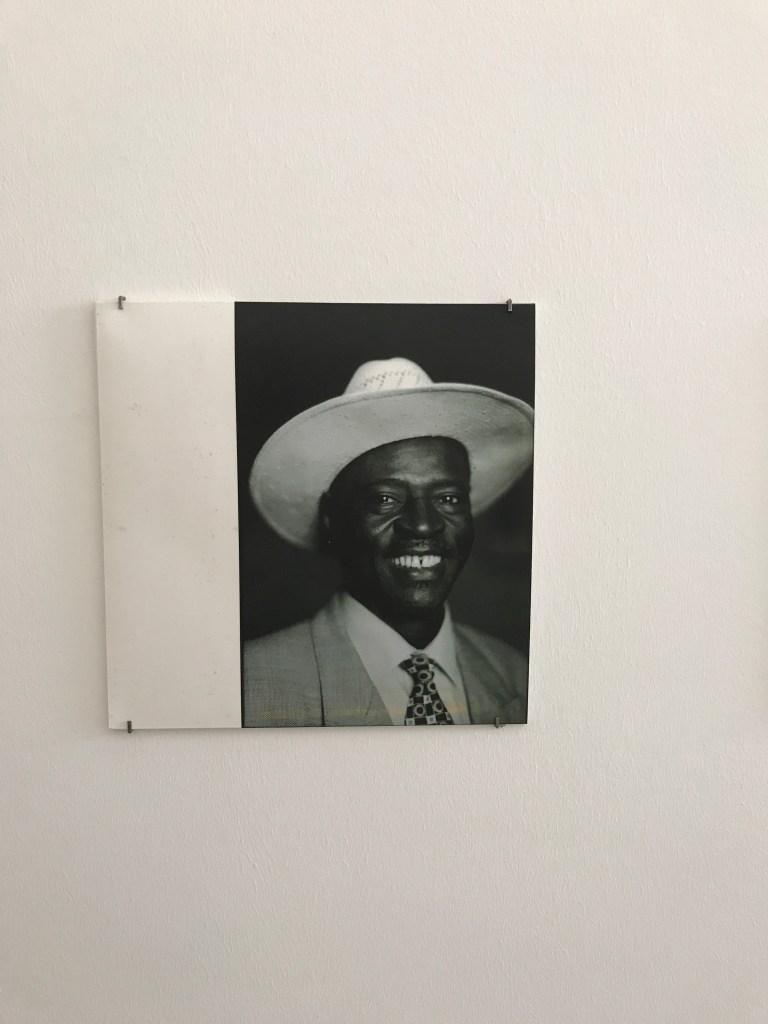
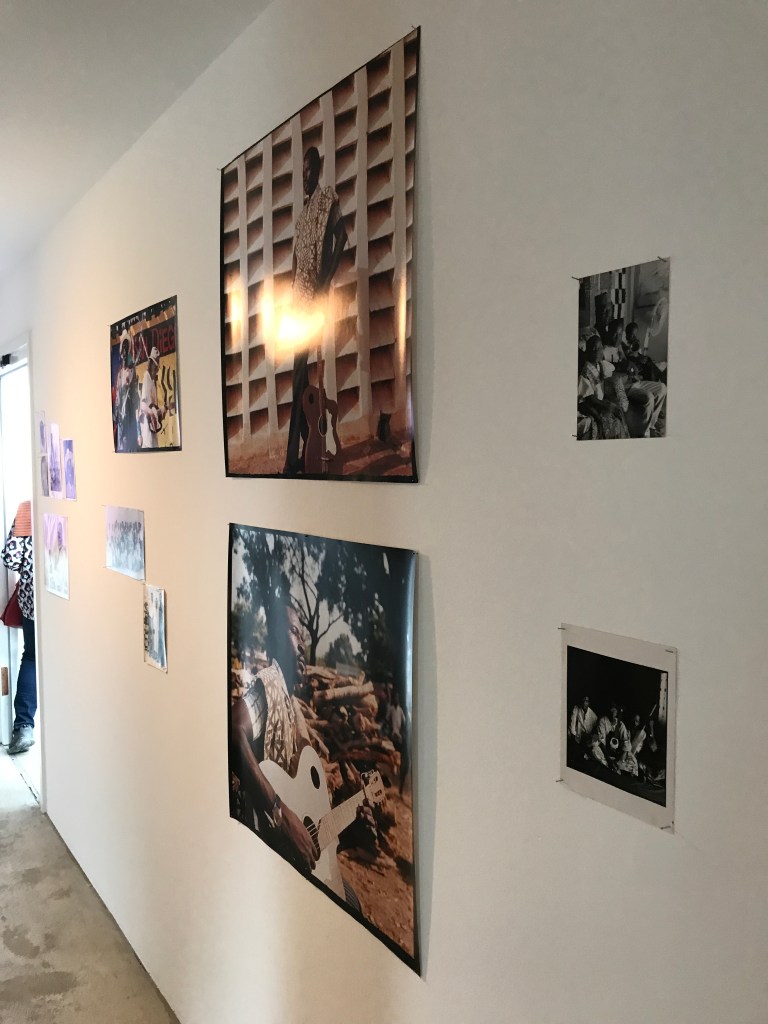
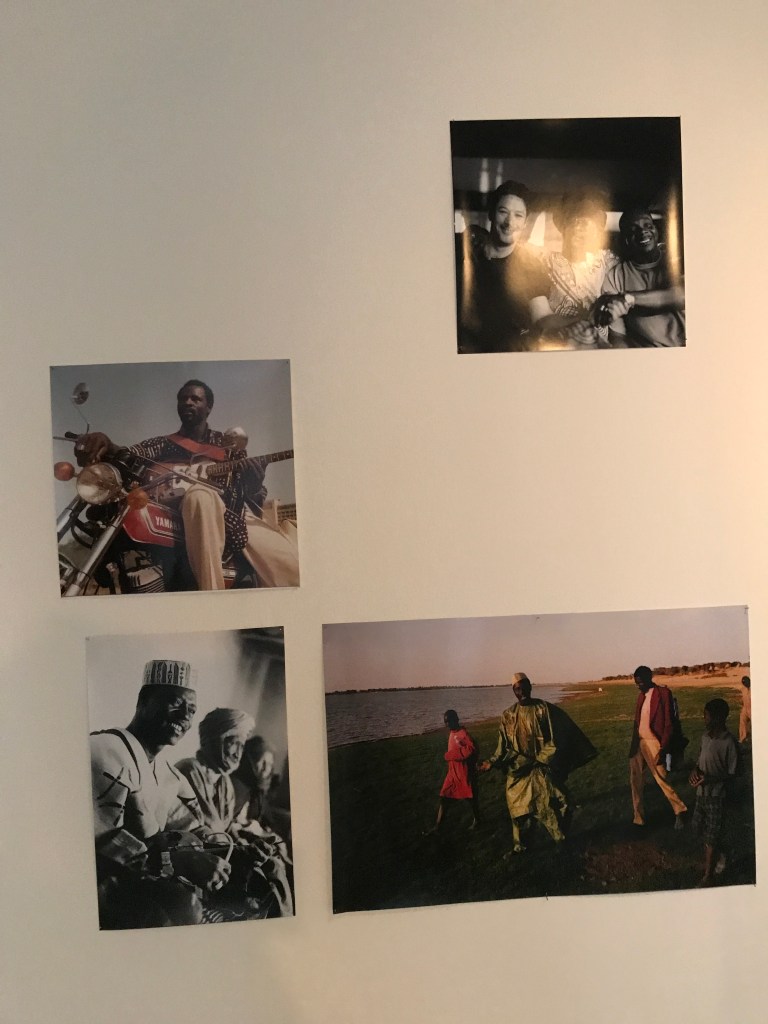
    It is easy to say that de-colonial art is something about identity and that’s it. In fact, many contemporary artists have embarked into the train of the so-called ‘identity politics’. Different from that expectation, part of the first floor of the Documenta Halle building featured the interesting work of Ali Farka (1939-2006). We find his records, posters, clothes, guitars as his resumé, which are testimonials of the exuberant career of the Malian artist. We see that part of the effort of privileging non-mainstream starts cannot escape from the mission of documenting it. It is not only about discussing it, or making it controversial, but gently memorializing it as part of collecting the relevant and the admired far from the heyday, as it happens with Touré.

    4. Democracy and its Greekness

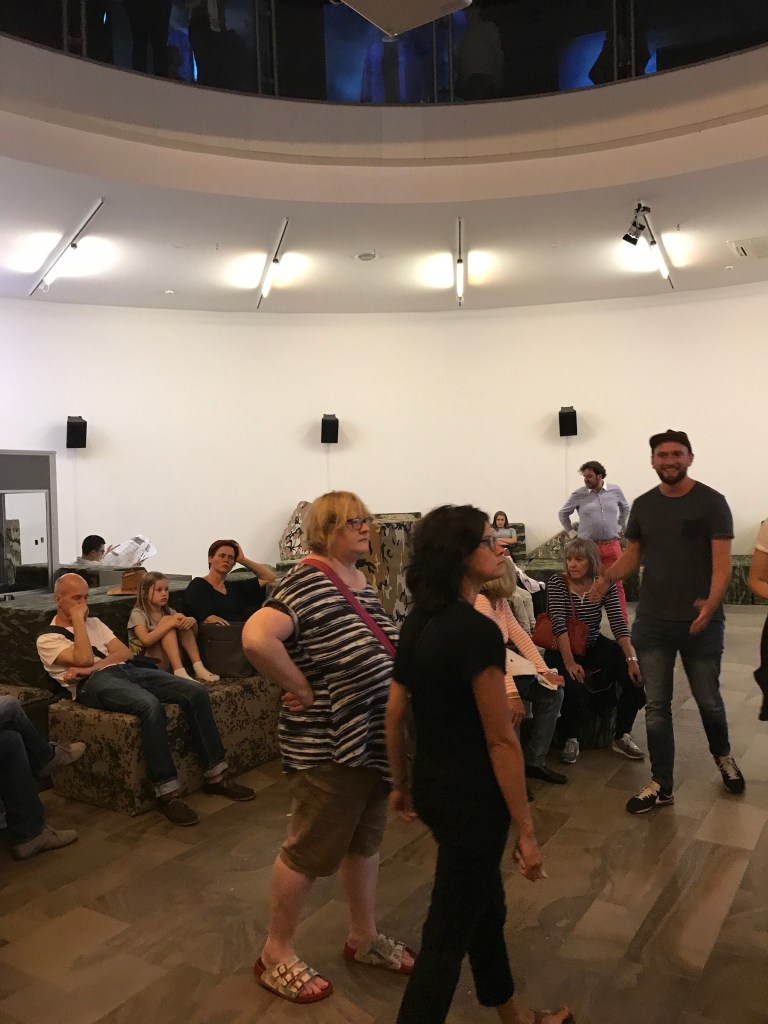
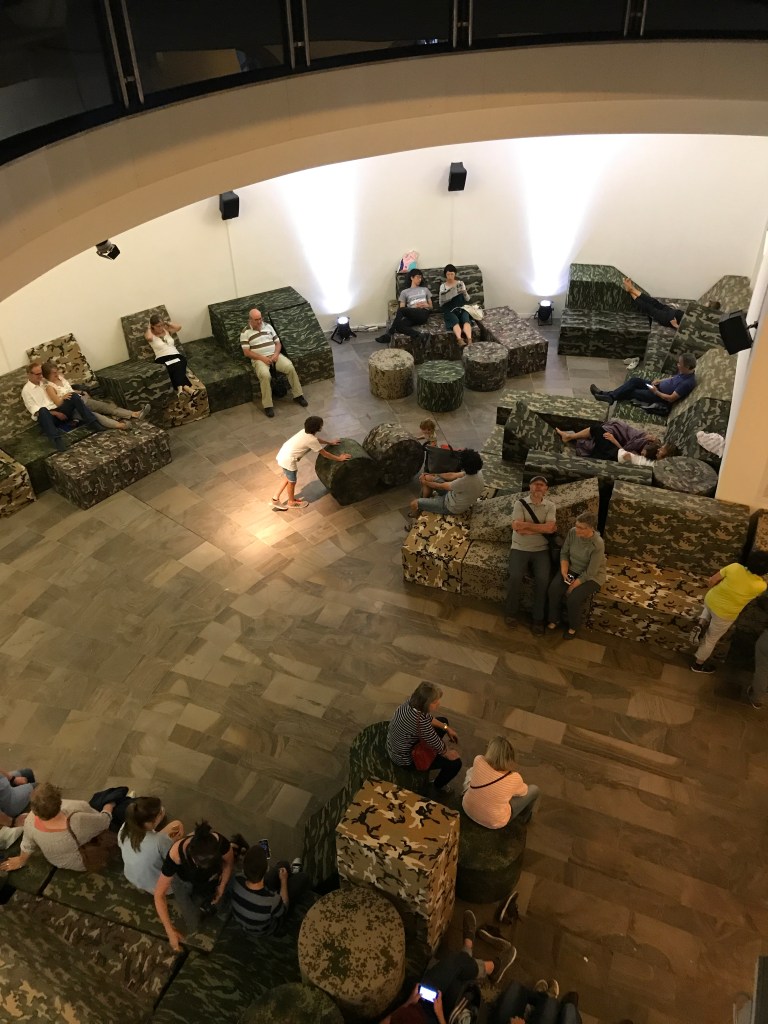
    Apart from the main sites, there is much more to be seen and critiqued at Documenta 14. I tried to group some of the main works that are highly representative of other smaller initiatives. For instance, Ibrahim Mahama’s great installation that covered a pair of old buildings in central Kassel with jute sacks to remind of colonialism. Oliver Tessler’s videos on democracy, featuring commentators from different countries giving their views; Moreover, one sees the Parliament of Bodies (picture above), an interactive installation where visitors are invited to sit on military-dressed cushions and debate, as in the old Greek agora.

    These works dialogue with the crisis of democracy of our time. If on the one hand,  the guest artists are well positioned to draw a consensus on what are the authoritarian forces we should fear; on the other, we are still dwelling on one kind of democracy, the Western-centric myth that has in Greece its epicenter, which is a  rather restricted thesis about it.  The universality which Documenta has over the years called to itself, firstly by Arnold Bode in 1968, does not appear to subside new visions. It is all about contemporary Europe and viewing the world from here. As far as this view still invites key issues to other non-European societies, in next editions the show must dare to break with its Eurocentrism in benefit of other kinds of realities, elevating them to the status of documents, as it has done it, over the years, with the so-called Western heritage.